




Soft Banana Oat Muffins Without a Mixer
Bake soft banana oat muffins without a mixer using ripe bananas and simple ingredients, with clear baking and storage tips. This guide is written for a home kitchen, where time, cost and cleanup all matter. Before you start, clear a small work area, set out the tools you need and wash the produce. This makes each step calmer and lowers the chance you will skip something.
What you need to know before starting
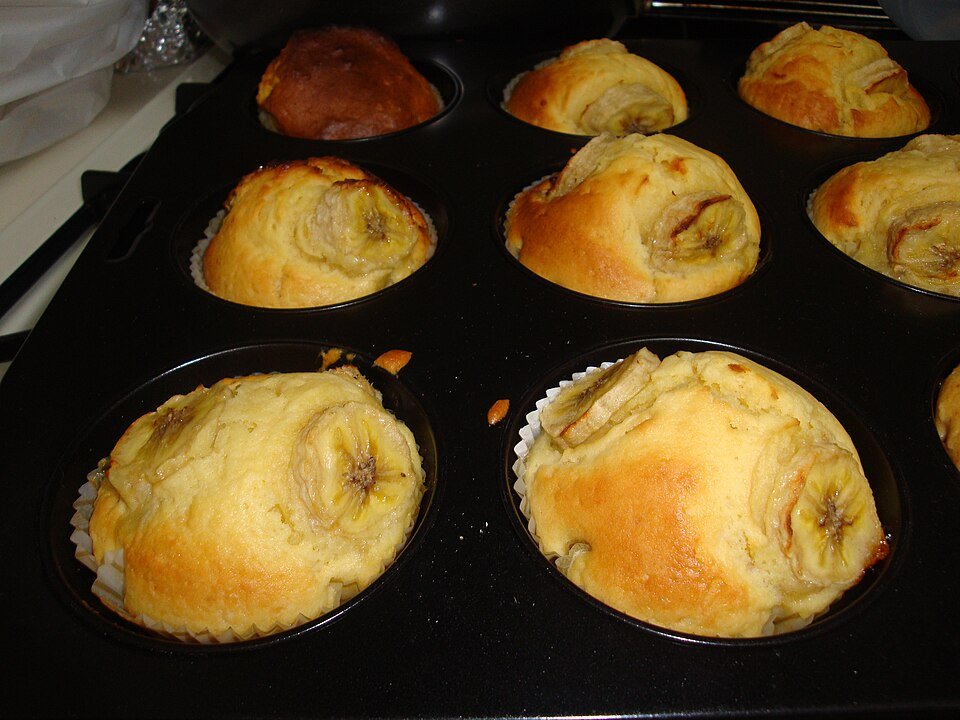
Ripe bananas, gentle mixing and an even oven temperature make these muffins soft without a mixer. The amounts below give a clear starting point. Taste at the end, as ingredients vary from kitchen to kitchen.
Ingredients and portions
This ingredient list is designed to be easy to shop for. Check your pantry first and buy only the gaps. The stated amounts are a starting recipe, not a fixed rule for every household.
- 2 ripe medium bananas, mashed
- 2 large eggs
- ⅓ cup neutral oil
- ⅓ cup milk
- ⅓ cup brown sugar
- 1 teaspoon vanilla extract
- 1 cup all-purpose flour
- 1 cup rolled oats
- 1 ½ teaspoons baking powder
- ½ teaspoon ground cinnamon
- ¼ teaspoon salt
Step-by-step method
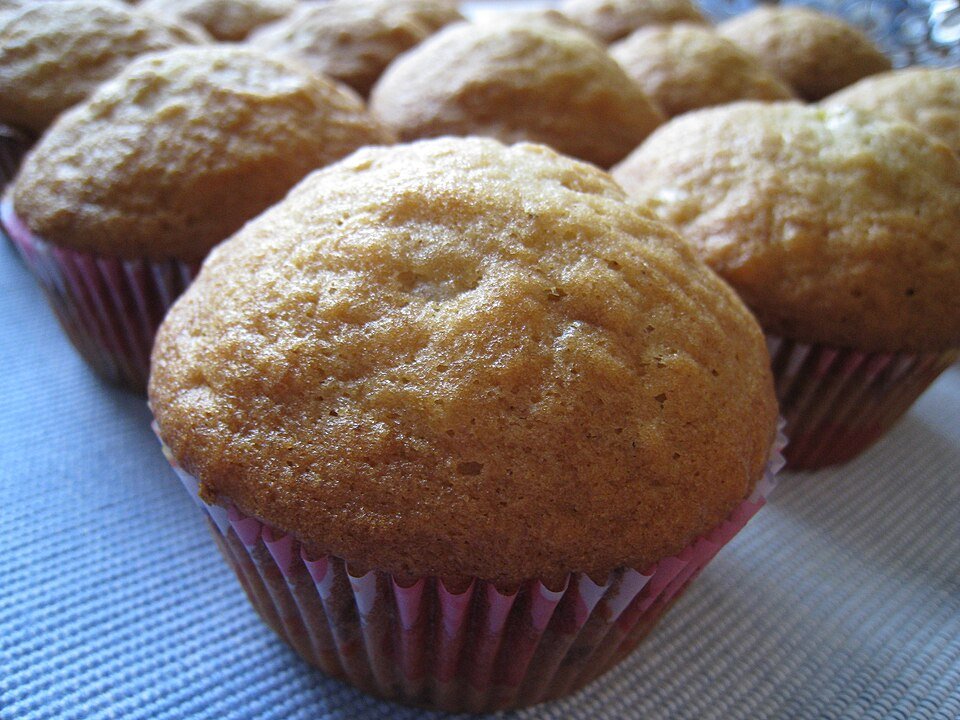
Follow the sequence rather than doing each job at random. It keeps hot pans and fresh ingredients in the right order.
Step 1: Get ready
Heat oven to 350°F (175°C) and line a 12-cup muffin pan. A muffin should be soft inside and hold its shape when lifted. Gentle mixing and careful baking help with both.
Step 2: Build the base
Mash bananas well in a large bowl, then whisk in eggs, oil, milk, sugar and vanilla. Muffin tops should spring back under a light touch. Check the middle with a skewer for uncooked batter.
Step 3: Use the right heat
Mix flour, oats, baking powder, cinnamon and salt in a second bowl. Choose fresh ingredients when they matter for taste, but use pantry staples where they do the job. Swaps are useful when they keep the core balance of the recipe.
Step 4: Check the texture
Fold dry ingredients into wet ingredients just until no dry flour remains. Before you start, clear a small work area, set out the tools you need and wash the produce. This makes each step calmer and lowers the chance you will skip something.
Step 5: Finish and serve
Divide batter evenly and bake for 18–22 minutes, until the tops spring back and a tester comes out without wet batter. Ripe bananas, gentle mixing and an even oven temperature make these muffins soft without a mixer.
Step 6: Get ready
Cool in the pan for five minutes, then move to a rack. A muffin should be soft inside and hold its shape when lifted. Gentle mixing and careful baking help with both.
Small details that change the result
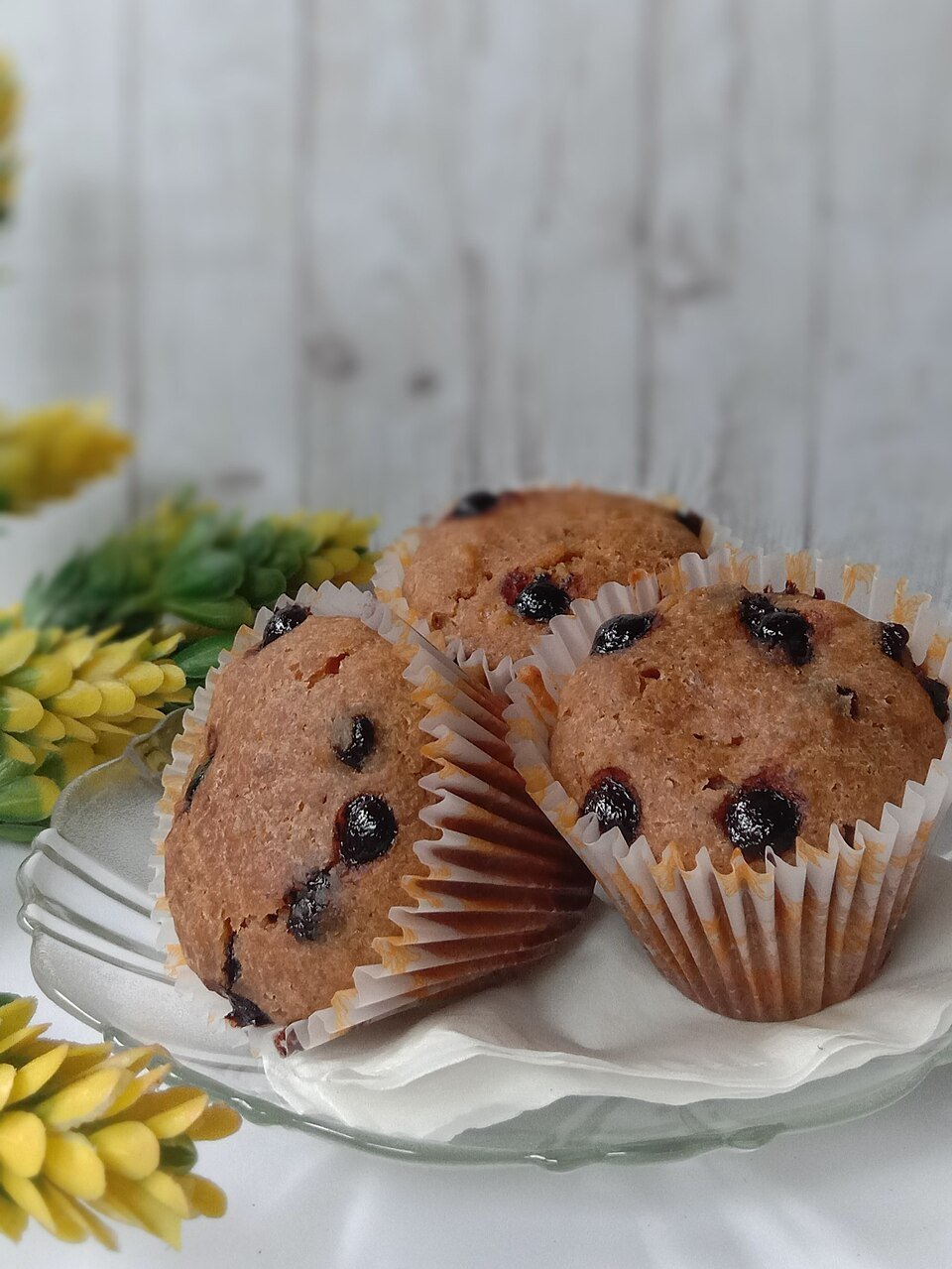
It is often one small detail that makes the difference between an okay result and something you want to cook again. Here are the points worth watching in this particular method.
Texture and timing
Use bananas with brown spots for easy mashing and a fuller banana taste. Before you start, clear a small work area, set out the tools you need and wash the produce. This makes each step calmer and lowers the chance you will skip something.
How to work ahead
Do not mix until perfectly smooth; a few small lumps are fine. Ripe bananas, gentle mixing and an even oven temperature make these muffins soft without a mixer.
A useful alternative
Let muffins cool before boxing them so trapped steam does not make the tops sticky. A muffin should be soft inside and hold its shape when lifted. Gentle mixing and careful baking help with both.
How to fit this into a real week
Think about when you will cook and when you will eat. If you have only a short break, measure what you can in advance and leave fresh items until just before serving. If you have more time on a weekend, prep the parts that hold well and keep them in clean covered containers. This approach keeps the actual cooking session short without giving up control of the final texture.
When you shop, check what is already at home. Buying one ingredient for one recipe may cause waste. Look for sensible ways to use it in another meal, such as a grain bowl the next day, vegetables in a soup, or a small baked snack for breakfast. Use the ingredient while it is still fresh, and follow food storage guidance rather than judging safety only by smell.
Common problems and how to fix them
If a dish seems flat, check salt, acidity and heat before adding a lot of extra ingredients. If the texture seems wrong, think about moisture and crowding. Wet ingredients steam; dry surfaces brown. If baked food turns out dry, review flour measurement and bake time. Do not assume that a longer cook time always improves food.
On a second attempt, change one thing at a time. Note the pan size, portion size and timing. A short kitchen note can be more useful than a complex chart because it tells you exactly what worked with your equipment.
Serving, storage and leftovers
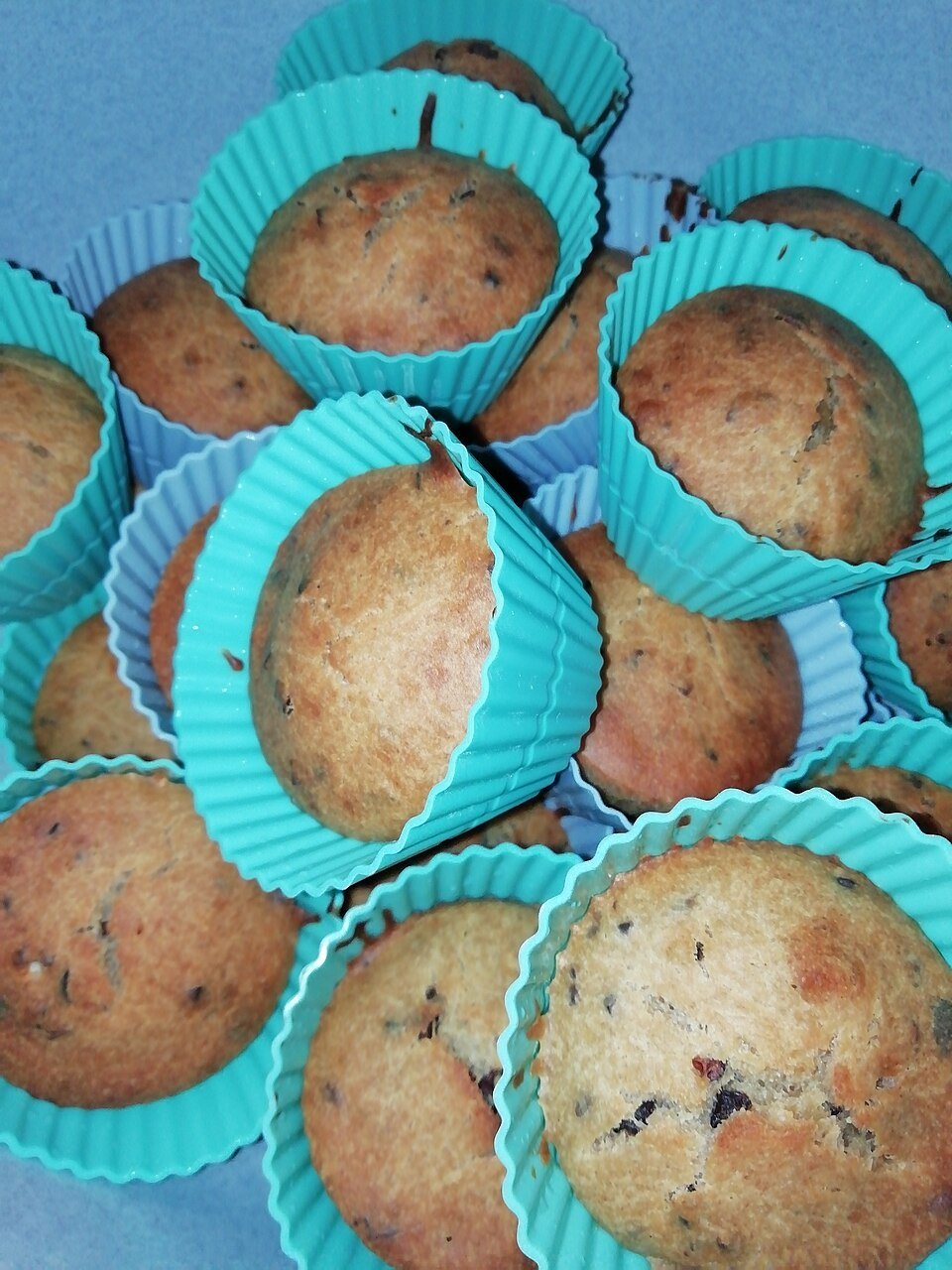
Serve fresh food at the temperature that suits it. Use clean utensils and cover what you save. According to the USDA Food Safety and Inspection Service, most cooked leftovers can stay refrigerated for three to four days when handled properly. Refrigerate perishable foods promptly, and reheat leftovers to 165°F (74°C). These general rules do not replace specific guidance for an ingredient or package.
For lunches, pack sauces or wet toppings separately where this keeps the texture better. Label containers with a date, and freeze extra portions before they sit too long in the fridge.
Reliable baking measurements
King Arthur Baking explains that a packed cup of flour may weigh much more than a lightly filled one. Its standard is 120 grams for one cup of all-purpose flour. Use the recipe author’s gram amount when available, as different sources use different standards. This matters most when a batter needs a specific flour-to-liquid balance.
Frequently asked questions
Can I use quick oats?
Yes, but the crumb may be a little softer. Muffin tops should spring back under a light touch. Check the middle with a skewer for uncooked batter.
Why are my muffins dense?
Too much flour or heavy mixing are common causes. Choose fresh ingredients when they matter for taste, but use pantry staples where they do the job. Swaps are useful when they keep the core balance of the recipe.
Can I freeze them?
Cool completely, wrap well and freeze for convenient breakfasts. Before you start, clear a small work area, set out the tools you need and wash the produce. This makes each step calmer and lowers the chance you will skip something.
How to get soft muffins without overmixing
Banana muffins are easy to make, but the batter can become heavy when stirred too much. Mix the bananas and wet ingredients until combined. In a separate bowl, whisk the flour, oats and baking powder so the raising agent is spread through the dry ingredients. Then use a spatula to fold the two mixtures together. Stop when the dry streaks disappear. Small lumps are fine and often better than a perfectly smooth batter.
A muffin tray holds a dozen equal spaces, but home scoops can vary. Use a spoon or ice cream scoop and fill the wells to a similar level. If one muffin has much more batter, it may need longer to cook than its neighbors. Put the tray on the center rack of a fully heated oven. Resist opening the door during the early rise. Test a muffin near the middle of the pan before you take the tray out.
Let the muffins cool for a few minutes before lifting them out. Hot muffins are soft and can tear if handled at once. Place them on a wire rack so air can flow around the base. For a school snack or a short trip, pack fully cooled muffins in a clean box. To freeze, wrap them in portions after they reach room temperature. Try adding a few chopped walnuts or blueberries in a future batch, but keep the first batch plain so you know how the base recipe tastes.
Use your oven and tray well
Oven temperature varies between kitchens. If your muffins usually brown on one side, turn the tray once near the end of baking, not during the first few minutes when they are rising. Standard muffin cups give a different bake time from mini cups. Check small muffins earlier and large ones later. Use a tester in the center instead of relying only on the top color.
If you prefer less sweetness, reduce the sugar slightly in a later batch and note how the texture changes. Sugar does more than sweeten; it also affects moisture and browning. If you add chocolate chips, remember that the muffins become richer and sweeter. Freeze fully cooled muffins in small portions. Remove one the night before breakfast and let it thaw safely, covered, so it is ready without a full baking session.
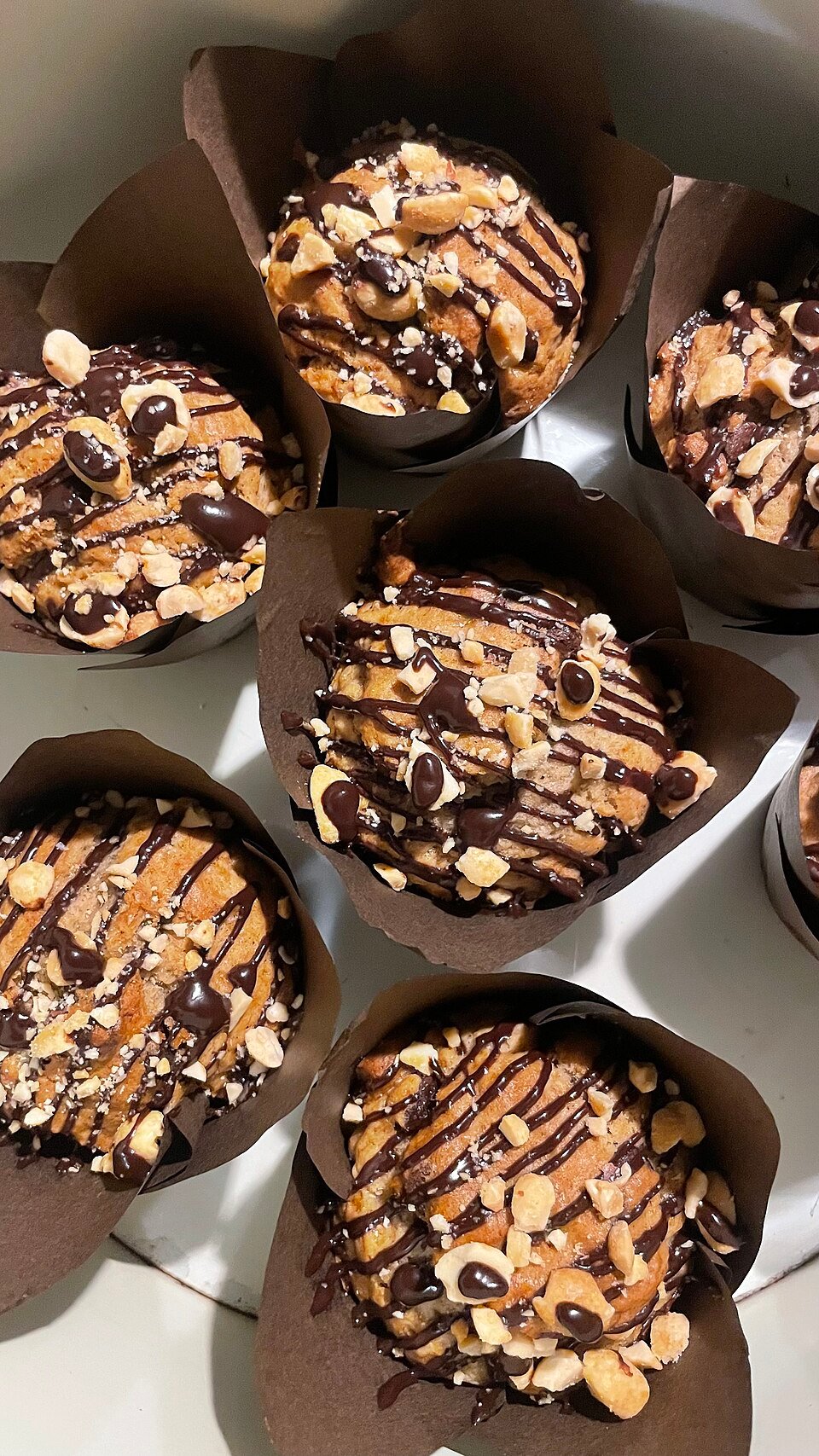
Image credit: Banana muffins photograph, via Wikimedia Commons. Reference image, not a tested photograph of these muffins. For photo licensing, consult the original Wikimedia Commons file page. This image is illustrative and does not claim to document testing of the stated recipe.
Final kitchen notes
The most useful recipe or guide is one you can repeat. Keep what worked, adjust what did not and use your own taste as a guide when food safety is not at stake. Choose fresh ingredients when they matter for taste, but use pantry staples where they do the job. Swaps are useful when they keep the core balance of the recipe. If you share the result with someone, note any ingredient swaps so they can make the same version.