



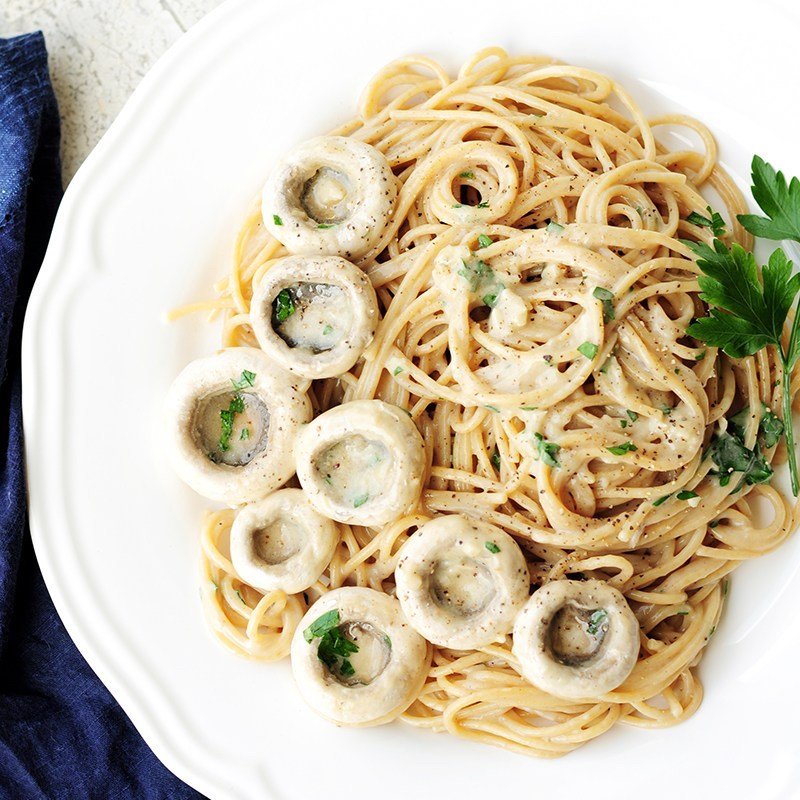
15-Minute Garlic Butter Mushroom Pasta
Make a 15-minute mushroom pasta with garlic, butter and simple pantry ingredients, plus timing tips and easy variations. This guide is written for a home kitchen, where time, cost and cleanup all matter. Drain pasta just before it turns fully soft; it will finish cooking as you toss it with the sauce.
What you need to know before starting
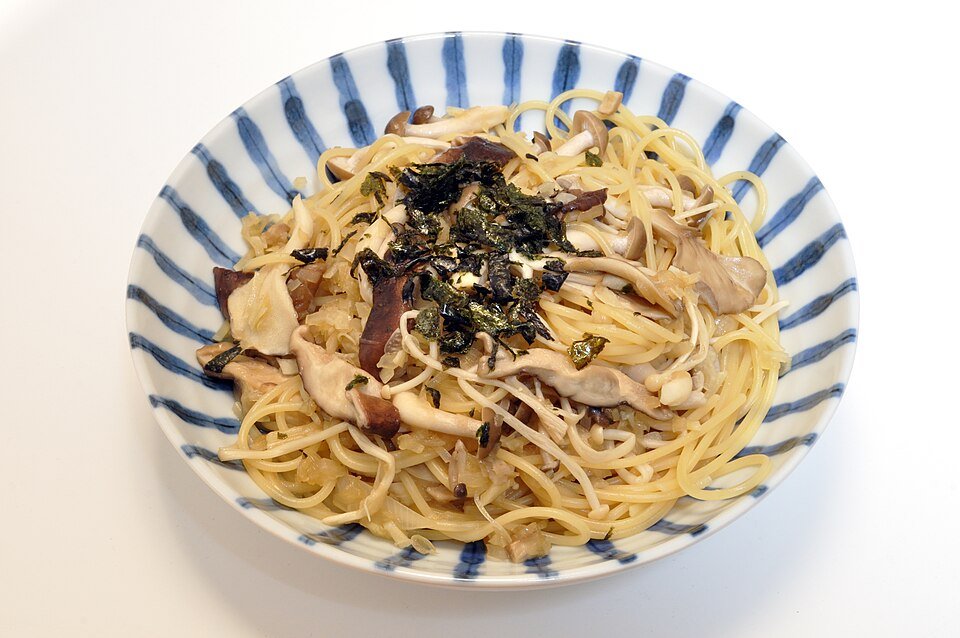
Choose fresh ingredients when they matter for taste, but use pantry staples where they do the job. Swaps are useful when they keep the core balance of the recipe. The amounts below give a clear starting point. Taste at the end, as ingredients vary from kitchen to kitchen.
Ingredients and portions
This ingredient list is designed to be easy to shop for. Check your pantry first and buy only the gaps. The stated amounts are a starting recipe, not a fixed rule for every household.
- 8 oz spaghetti or linguine
- 8 oz cremini mushrooms, sliced thinly
- 2 tablespoons butter
- 1 tablespoon olive oil
- 3 garlic cloves, finely chopped
- ¼ cup finely grated Parmesan, optional
- ½ cup reserved pasta cooking water
- 1 tablespoon lemon juice
- Salt, pepper and chopped parsley
Step-by-step method
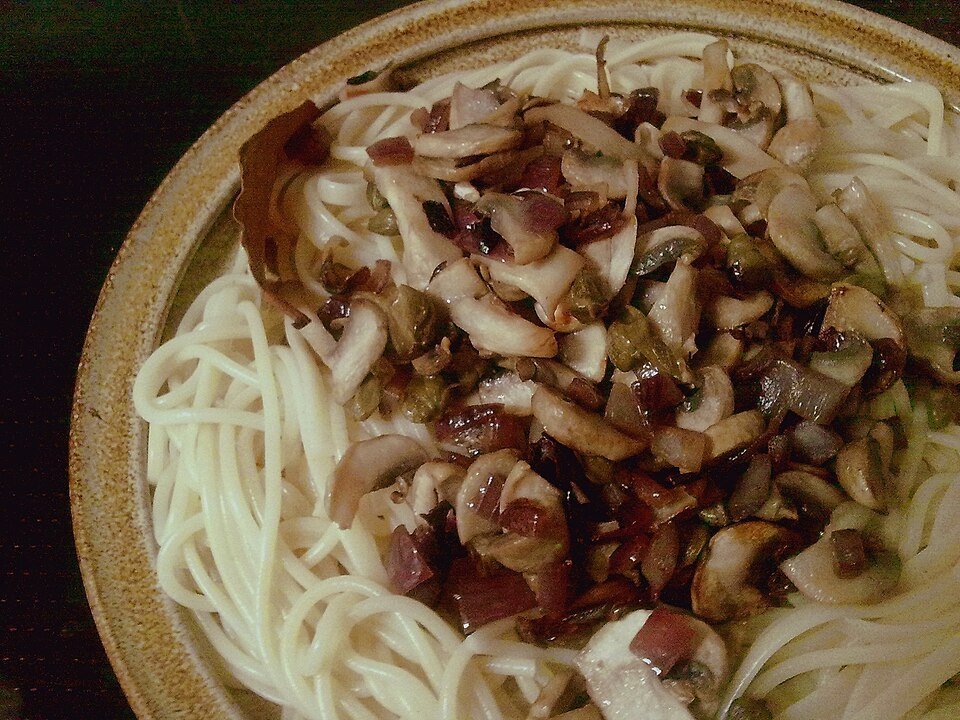
Follow the sequence rather than doing each job at random. It keeps hot pans and fresh ingredients in the right order.
Step 1: Get ready
Bring a large pot of salted water to a boil and cook pasta until just tender. Slice mushrooms thinly, mince the garlic and put a mug near the pasta pot to catch cooking water.
Step 2: Build the base
While it cooks, heat oil and butter in a wide skillet; spread mushrooms in one layer and let them brown. For fast mushroom pasta, the order matters: boil water, brown mushrooms, add garlic, then toss the noodles with starchy cooking water.
Step 3: Use the right heat
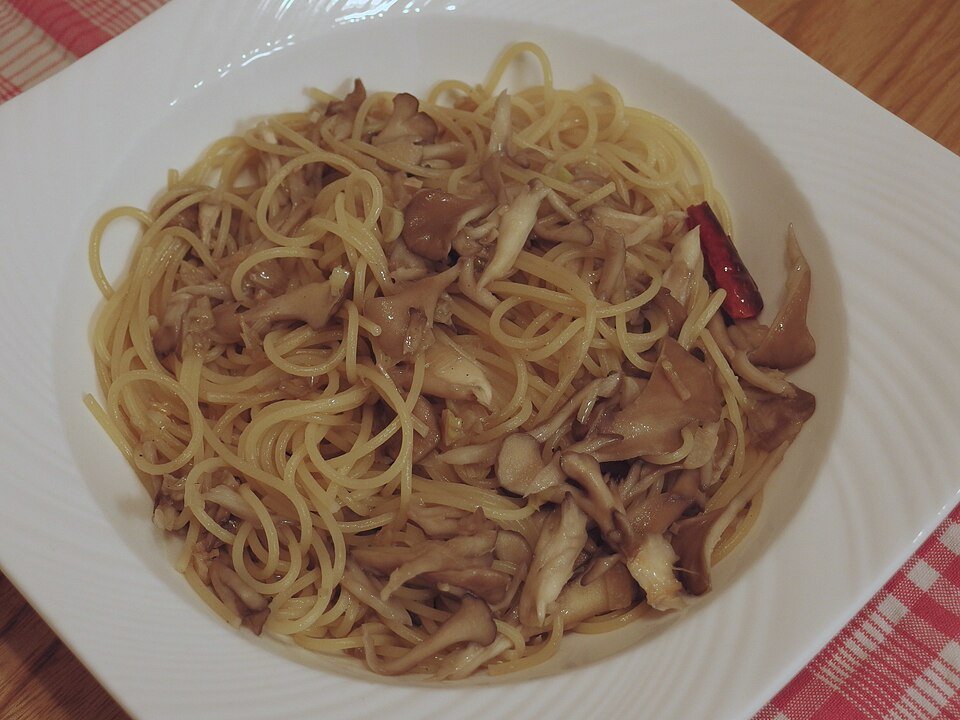
Stir in garlic for the last minute so it smells fragrant but does not burn. The aim is a fast pasta that still has good texture: golden mushrooms, tender noodles and a light sauce.
Step 4: Check the texture
Reserve a mug of pasta water, drain pasta and transfer to the skillet. Drain pasta just before it turns fully soft; it will finish cooking as you toss it with the sauce.
Step 5: Finish and serve
Add a little pasta water and toss until a silky sauce forms, then finish with lemon, pepper, cheese and parsley. Choose fresh ingredients when they matter for taste, but use pantry staples where they do the job. Swaps are useful when they keep the core balance of the recipe.
Small details that change the result
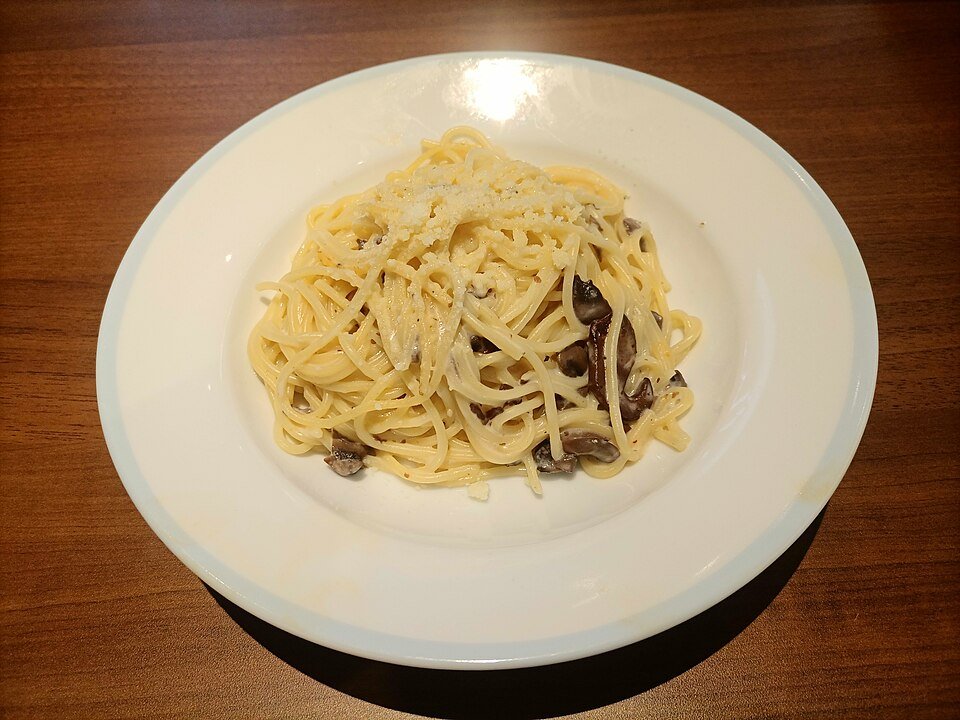
It is often one small detail that makes the difference between an okay result and something you want to cook again. Here are the points worth watching in this particular method.
Texture and timing
Start heating the pasta water before you chop anything. Drain pasta just before it turns fully soft; it will finish cooking as you toss it with the sauce.
How to work ahead
If you double the mushrooms, brown them in batches; overcrowding makes them soggy. Choose fresh ingredients when they matter for taste, but use pantry staples where they do the job. Swaps are useful when they keep the core balance of the recipe.
A useful alternative
Add more pasta water a spoon at a time rather than making a heavy cream sauce. Slice mushrooms thinly, mince the garlic and put a mug near the pasta pot to catch cooking water.
How to fit this into a real week
Think about when you will cook and when you will eat. If you have only a short break, measure what you can in advance and leave fresh items until just before serving. If you have more time on a weekend, prep the parts that hold well and keep them in clean covered containers. This approach keeps the actual cooking session short without giving up control of the final texture.
When you shop, check what is already at home. Buying one ingredient for one recipe may cause waste. Look for sensible ways to use it in another meal, such as a grain bowl the next day, vegetables in a soup, or a small baked snack for breakfast. Use the ingredient while it is still fresh, and follow food storage guidance rather than judging safety only by smell.
Common problems and how to fix them
If a dish seems flat, check salt, acidity and heat before adding a lot of extra ingredients. If the texture seems wrong, think about moisture and crowding. Wet ingredients steam; dry surfaces brown. If baked food turns out dry, review flour measurement and bake time. Do not assume that a longer cook time always improves food.
On a second attempt, change one thing at a time. Note the pan size, portion size and timing. A short kitchen note can be more useful than a complex chart because it tells you exactly what worked with your equipment.
Serving, storage and leftovers
Serve fresh food at the temperature that suits it. Use clean utensils and cover what you save. According to the USDA Food Safety and Inspection Service, most cooked leftovers can stay refrigerated for three to four days when handled properly. Refrigerate perishable foods promptly, and reheat leftovers to 165°F (74°C). These general rules do not replace specific guidance for an ingredient or package.
For lunches, pack sauces or wet toppings separately where this keeps the texture better. Label containers with a date, and freeze extra portions before they sit too long in the fridge.
Frequently asked questions
Can I make this without butter?
Use olive oil and finish with lemon. For fast mushroom pasta, the order matters: boil water, brown mushrooms, add garlic, then toss the noodles with starchy cooking water.
Which mushrooms are best?
Cremini offer good browning, but white button mushrooms work. The aim is a fast pasta that still has good texture: golden mushrooms, tender noodles and a light sauce.
Is it really 15 minutes?
With thin mushrooms and boiling water ready, yes; stove power may add a few minutes. Drain pasta just before it turns fully soft; it will finish cooking as you toss it with the sauce.
How to time a fast pasta dinner
The quick method works best if every task overlaps with cooking time. Put the water on first. While it heats, wipe and slice the mushrooms, mince the garlic and measure the butter. Once the pasta goes into boiling water, the mushrooms can go into a hot skillet. You will have a few minutes to brown them before the noodles are ready. Keep a cup near the pasta pot so you remember to save its water.
Some people add garlic at the same time as the mushrooms. That can burn it before the mushrooms brown. Use a wide pan and let the sliced mushrooms sit briefly in the heat. When their edges turn golden, stir them and add the garlic near the end. If the mushrooms give off a lot of liquid, wait for some of it to cook away. The flavor will be deeper than if you stop while they are pale.
Do not drain pasta until it is just shy of the texture you want. It cooks a little more when tossed with the sauce. Pour a small splash of pasta water into the skillet and move the noodles around so the butter coats them. If the sauce looks oily, add a touch more water and toss again. If it looks thin, keep stirring over low heat for a short moment. Finish with lemon and pepper only after tasting. Parmesan adds salt as well as flavor, so adjust seasoning last.
Budget-friendly swaps that work
You can replace cremini mushrooms with common white mushrooms. Slice them thinly so they brown quickly. If you have a different pasta shape, use it, but check the package cooking time instead of assuming all noodles finish together. Olive oil can replace some butter. Nutritional yeast can give a savory finish when you do not use Parmesan, though it will taste different.
A quick green side can make this meal feel more complete. Wash lettuce or spinach while the pasta water comes to a boil, then dress it with lemon and oil. Avoid adding a large amount of raw spinach directly to the skillet at the end, as it releases water and can thin the sauce. When reheating a portion, use a little water and low heat to bring back the silky texture.
Final kitchen notes
The most useful recipe or guide is one you can repeat. Keep what worked, adjust what did not and use your own taste as a guide when food safety is not at stake. The aim is a fast pasta that still has good texture: golden mushrooms, tender noodles and a light sauce. If you share the result with someone, note any ingredient swaps so they can make the same version.