




How to Store and Reheat Leftovers Safely
Use a clear guide to cooling, storing, freezing and reheating leftovers, with USDA-backed safety temperatures and timing. This guide is written for a home kitchen, where time, cost and cleanup all matter. Measure the food’s internal temperature when reheating. A hot surface can hide a cool center.
What you need to know before starting
Choose fresh ingredients when they matter for taste, but use pantry staples where they do the job. Swaps are useful when they keep the core balance of the recipe. Treat safety or measurement advice as a method, not a guess. Use a reliable tool when a number matters.
Tools and supplies
Gather these supplies before you begin. Most are common kitchen tools. You can still use the method if you own fewer gadgets, but do not guess at safety temperatures.
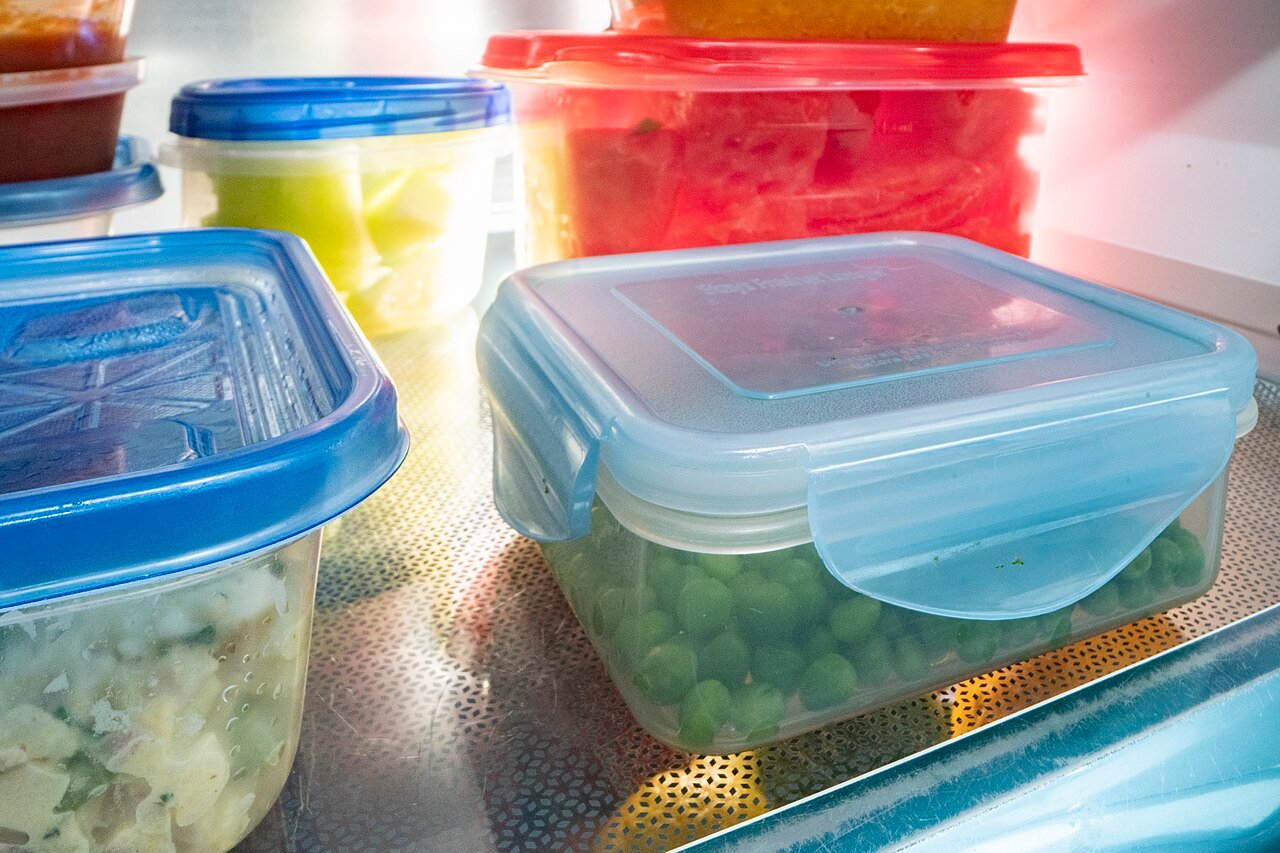
- Shallow food-safe containers
- A working refrigerator at 40°F (4°C) or below
- A freezer at 0°F (-18°C) or below
- A food thermometer
- Labels or masking tape to note dates
Step-by-step method
Follow the sequence rather than doing each job at random. It keeps hot pans and fresh ingredients in the right order.
Step 1: Get ready
Divide large pots of cooked food into shallow containers so they cool faster. Before you start, clear a small work area, set out the tools you need and wash the produce. This makes each step calmer and lowers the chance you will skip something.
Step 2: Build the base
Put perishable food in the fridge within two hours, or one hour if the surroundings are above 90°F. Leftover safety depends on time and temperature, not appearance. Plan where cooked food will go before it cools.
Step 3: Use the right heat
Date each container and keep raw foods separate from ready-to-eat meals. Plan leftovers as soon as you cook a meal. Quick cooling and clear dates prevent guesswork later.
Step 4: Check the texture
Use most refrigerated cooked leftovers within three to four days or freeze them promptly. Measure the food’s internal temperature when reheating. A hot surface can hide a cool center.
Step 5: Finish and serve
Reheat leftovers to 165°F (74°C), measuring the center with a food thermometer. Choose fresh ingredients when they matter for taste, but use pantry staples where they do the job. Swaps are useful when they keep the core balance of the recipe.
Small details that change the result
It is often one small detail that makes the difference between an okay result and something you want to cook again. Here are the points worth watching in this particular method.
Texture and timing
Smell and appearance alone cannot tell you whether stored food is safe. Measure the food’s internal temperature when reheating. A hot surface can hide a cool center.
How to work ahead
Do not leave a deep pot on the counter for hours before refrigerating it. Choose fresh ingredients when they matter for taste, but use pantry staples where they do the job. Swaps are useful when they keep the core balance of the recipe.
A useful alternative
Reheat only the portion you plan to eat to preserve the rest’s texture. Before you start, clear a small work area, set out the tools you need and wash the produce. This makes each step calmer and lowers the chance you will skip something.
How to fit this into a real week
Think about when you will cook and when you will eat. If you have only a short break, measure what you can in advance and leave fresh items until just before serving. If you have more time on a weekend, prep the parts that hold well and keep them in clean covered containers. This approach keeps the actual cooking session short without giving up control of the final texture.
When you shop, check what is already at home. Buying one ingredient for one recipe may cause waste. Look for sensible ways to use it in another meal, such as a grain bowl the next day, vegetables in a soup, or a small baked snack for breakfast. Use the ingredient while it is still fresh, and follow food storage guidance rather than judging safety only by smell.
Common problems and how to fix them
If a dish seems flat, check salt, acidity and heat before adding a lot of extra ingredients. If the texture seems wrong, think about moisture and crowding. Wet ingredients steam; dry surfaces brown. If baked food turns out dry, review flour measurement and bake time. Do not assume that a longer cook time always improves food.
On a second attempt, change one thing at a time. Note the pan size, portion size and timing. A short kitchen note can be more useful than a complex chart because it tells you exactly what worked with your equipment.
Serving, storage and leftovers
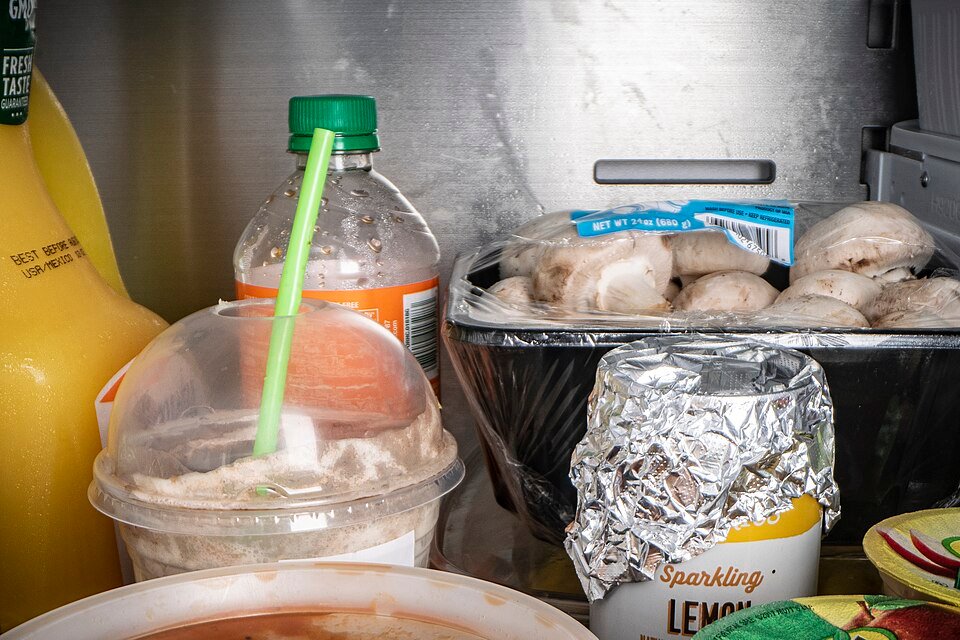
Serve fresh food at the temperature that suits it. Use clean utensils and cover what you save. According to the USDA Food Safety and Inspection Service, most cooked leftovers can stay refrigerated for three to four days when handled properly. Refrigerate perishable foods promptly, and reheat leftovers to 165°F (74°C). These general rules do not replace specific guidance for an ingredient or package.
For lunches, pack sauces or wet toppings separately where this keeps the texture better. Label containers with a date, and freeze extra portions before they sit too long in the fridge.
Frequently asked questions
Can hot food go in the refrigerator?
Yes; divide big batches into shallow containers first. Leftover safety depends on time and temperature, not appearance. Plan where cooked food will go before it cools.
How long do leftovers last in the fridge?
USDA generally advises three to four days. Plan leftovers as soon as you cook a meal. Quick cooling and clear dates prevent guesswork later.
Is reheating until warm enough?
Use a thermometer and aim for 165°F for leftovers. Measure the food’s internal temperature when reheating. A hot surface can hide a cool center.
How to make a simple leftover plan for busy days
Choose containers before you cook a large batch. Small, shallow tubs help food cool more quickly than one deep pot. Label each container with the meal and date. Put tomorrow’s portion at the front of the refrigerator so you see it first. If you know you will not eat a portion within the next three to four days, freeze it soon rather than waiting until the last day. Small portions also thaw faster and waste less food.
Rice, soup and cooked vegetables may all look fine even when they have been held at unsafe temperatures. Do not use smell alone to judge safety. Keep the refrigerator at 40°F or below and use a thermometer to check it. Food that has sat out too long should be thrown away even if it still tastes normal. The USDA advises refrigerating perishable food within two hours, or within one hour when the temperature is above 90°F.
For reheating, move the food to a microwave-safe dish if needed, cover loosely and stir partway through. Thick sauces and dense rice dishes can have cool spots in the middle. Check with a food thermometer and bring leftovers to 165°F. When using the stove, heat food through evenly and stir as needed. If you plan to eat only one portion, warm only that portion and leave the rest covered in the fridge. Follow stricter instructions on a food label when they apply.
A weekly refrigerator check
Pick one day each week to look through your refrigerator. Read the dates on stored meals, bring safe older portions to the front and plan dinner around foods that need using soon. This reduces waste and makes it easier to see when a container has stayed too long. Do not taste food to test whether it is safe. When its storage history is uncertain, discarding it is the safer choice.
Keep an appliance thermometer inside your refrigerator and check that it stays at 40°F (4°C) or colder. Do not overload the shelves so tightly that air cannot circulate. Keep ready-to-eat leftovers in closed containers above raw meat, poultry or seafood. Wash reusable containers well after each use. These habits take only a few moments but help prevent cross-contamination.
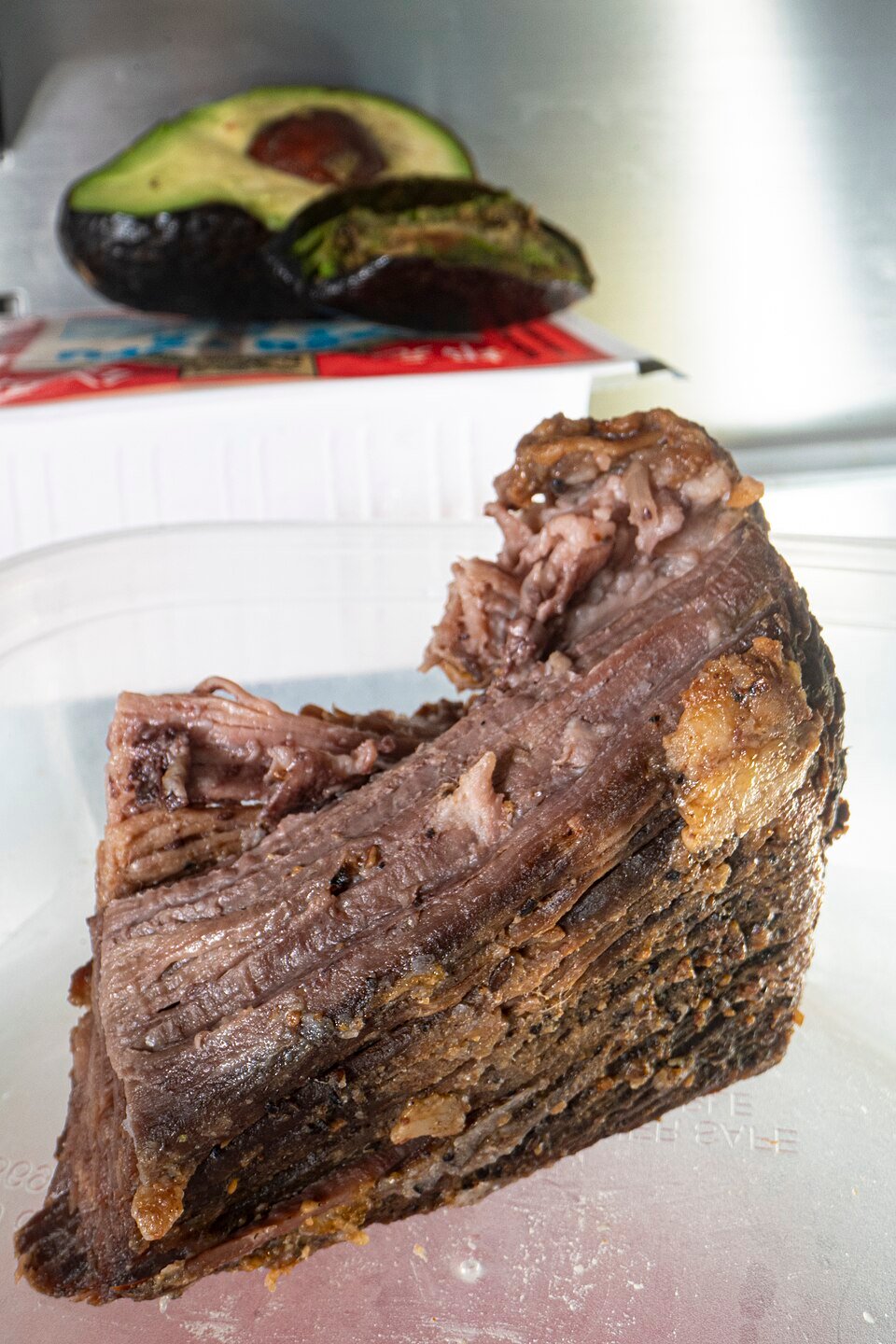
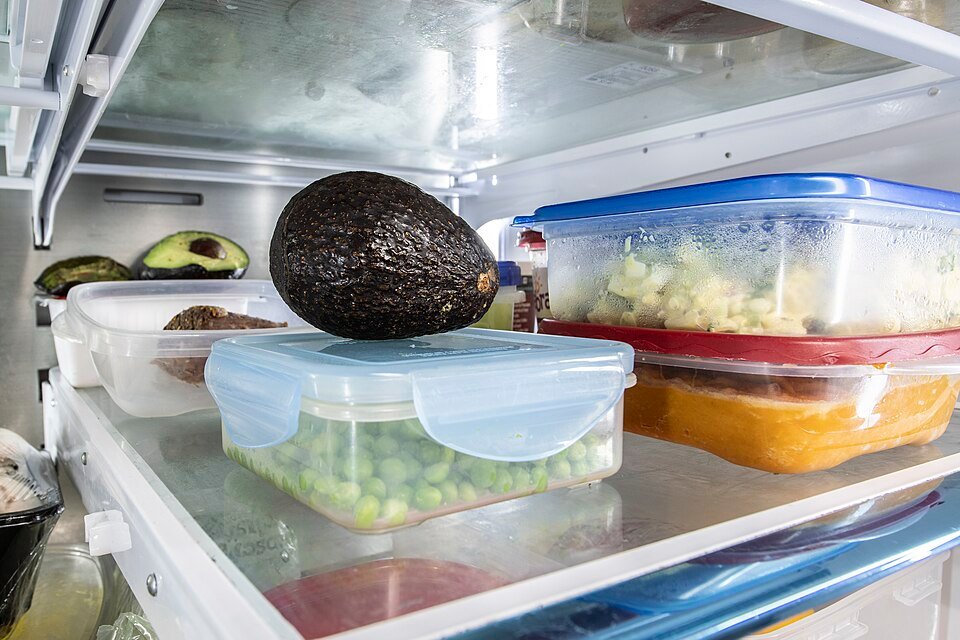
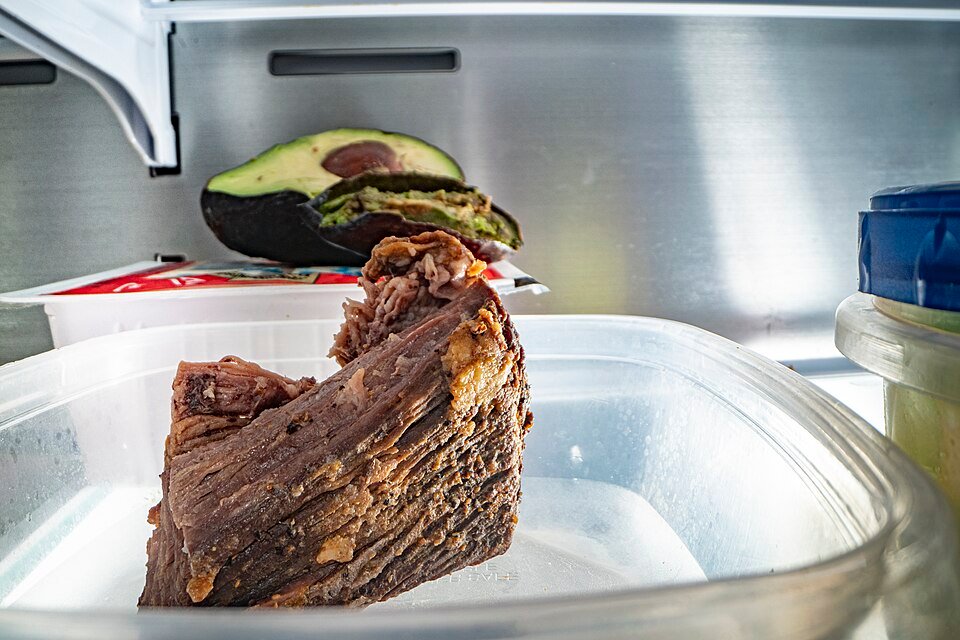
Image credit: Refrigerated leftover containers photograph, USDA public domain, via Wikimedia Commons. For photo licensing, consult the original Wikimedia Commons file page. This image is illustrative and does not claim to document testing of the stated recipe.
Final kitchen notes
The most useful recipe or guide is one you can repeat. Keep what worked, adjust what did not and use your own taste as a guide when food safety is not at stake. Plan leftovers as soon as you cook a meal. Quick cooling and clear dates prevent guesswork later. If you share the result with someone, note any ingredient swaps so they can make the same version.