




Sheet Pan Salmon with Broccoli and Sweet Potato
Cook a simple sheet pan salmon dinner with sweet potatoes, broccoli, timing tips, lemon and practical substitutions. This guide is written for a home kitchen, where time, cost and cleanup all matter. A good tray dinner starts with understanding which ingredients take longest to cook. Start with the potatoes and finish with the fish.
What you need to know before starting
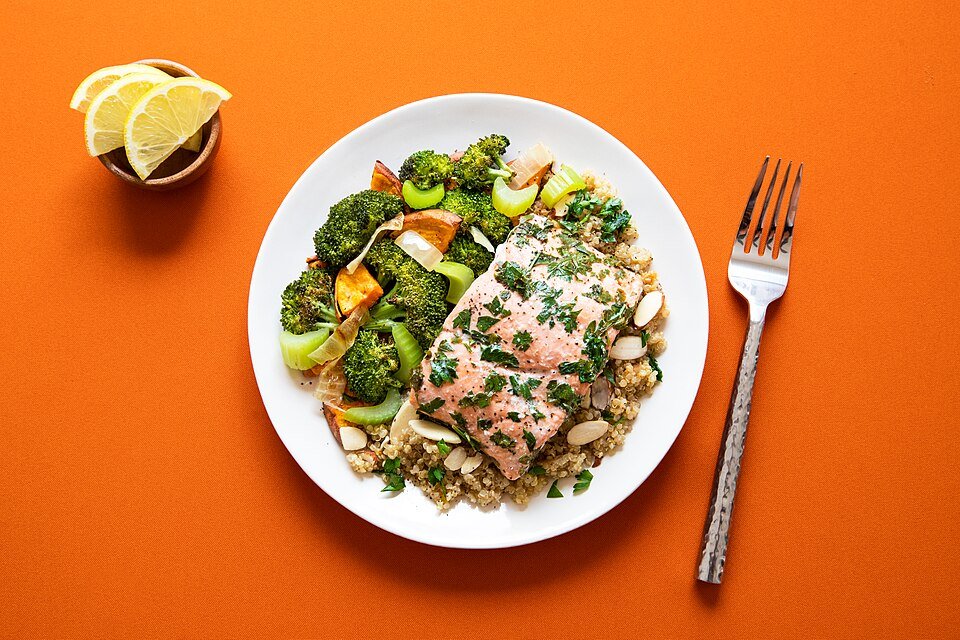
Thick salmon fillets need more time than thin ones. Use a thermometer at the center, not just the oven clock. The amounts below give a clear starting point. Taste at the end, as ingredients vary from kitchen to kitchen.
Ingredients and portions
This ingredient list is designed to be easy to shop for. Check your pantry first and buy only the gaps. The stated amounts are a starting recipe, not a fixed rule for every household.
- 4 salmon fillets, about 5 oz each
- 2 medium sweet potatoes, cut into ¾-inch cubes
- 1 large broccoli head, cut into florets
- 2 tablespoons olive oil
- 1 lemon
- 1 teaspoon smoked paprika
- ½ teaspoon garlic powder
- ½ teaspoon salt
- ¼ teaspoon black pepper
Step-by-step method
Follow the sequence rather than doing each job at random. It keeps hot pans and fresh ingredients in the right order.
Step 1: Get ready
Heat the oven to 425°F (220°C). Line a large rimmed pan with parchment. Choose fresh ingredients when they matter for taste, but use pantry staples where they do the job. Swaps are useful when they keep the core balance of the recipe.
Step 2: Build the base
Toss sweet potato cubes with half the oil and paprika. Spread them out and roast for 15 minutes. Line the tray, cut sweet potatoes into even pieces and keep raw salmon separate from prepared vegetables.
Step 3: Use the right heat
Add broccoli with the rest of the oil and garlic powder. Move vegetables to leave room for salmon. Roast the dense sweet potato first and add delicate salmon later. Staggered cooking is the key to a tender fish dinner.
Step 4: Check the texture
Season salmon with salt, pepper and lemon zest; bake for about 10–15 minutes more, checking fish for doneness with a thermometer. A good tray dinner starts with understanding which ingredients take longest to cook. Start with the potatoes and finish with the fish.
Step 5: Finish and serve
Finish with lemon juice and serve while broccoli still has some bite. Thick salmon fillets need more time than thin ones. Use a thermometer at the center, not just the oven clock.
Small details that change the result
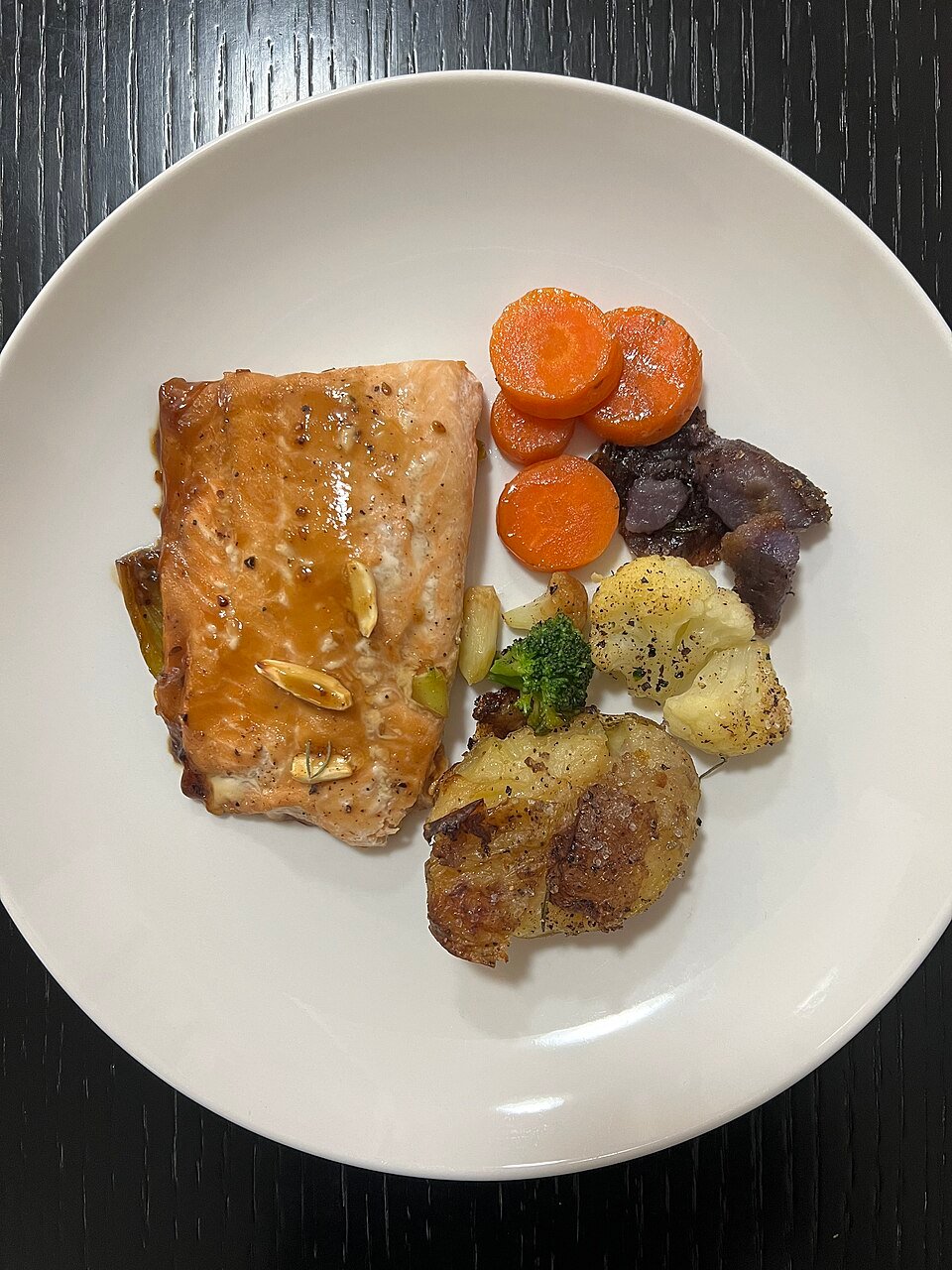
It is often one small detail that makes the difference between an okay result and something you want to cook again. Here are the points worth watching in this particular method.
Texture and timing
Cut potatoes small and even so they cook before the fish dries. A good tray dinner starts with understanding which ingredients take longest to cook. Start with the potatoes and finish with the fish.
How to work ahead
Use two pans if everything seems crowded; a crowded pan steams instead of roasting. Thick salmon fillets need more time than thin ones. Use a thermometer at the center, not just the oven clock.
A useful alternative
Frozen broccoli works but may brown less; thaw and pat dry first. Choose fresh ingredients when they matter for taste, but use pantry staples where they do the job. Swaps are useful when they keep the core balance of the recipe.
How to fit this into a real week
Think about when you will cook and when you will eat. If you have only a short break, measure what you can in advance and leave fresh items until just before serving. If you have more time on a weekend, prep the parts that hold well and keep them in clean covered containers. This approach keeps the actual cooking session short without giving up control of the final texture.
When you shop, check what is already at home. Buying one ingredient for one recipe may cause waste. Look for sensible ways to use it in another meal, such as a grain bowl the next day, vegetables in a soup, or a small baked snack for breakfast. Use the ingredient while it is still fresh, and follow food storage guidance rather than judging safety only by smell.
Common problems and how to fix them
If a dish seems flat, check salt, acidity and heat before adding a lot of extra ingredients. If the texture seems wrong, think about moisture and crowding. Wet ingredients steam; dry surfaces brown. If baked food turns out dry, review flour measurement and bake time. Do not assume that a longer cook time always improves food.
On a second attempt, change one thing at a time. Note the pan size, portion size and timing. A short kitchen note can be more useful than a complex chart because it tells you exactly what worked with your equipment.
Serving, storage and leftovers
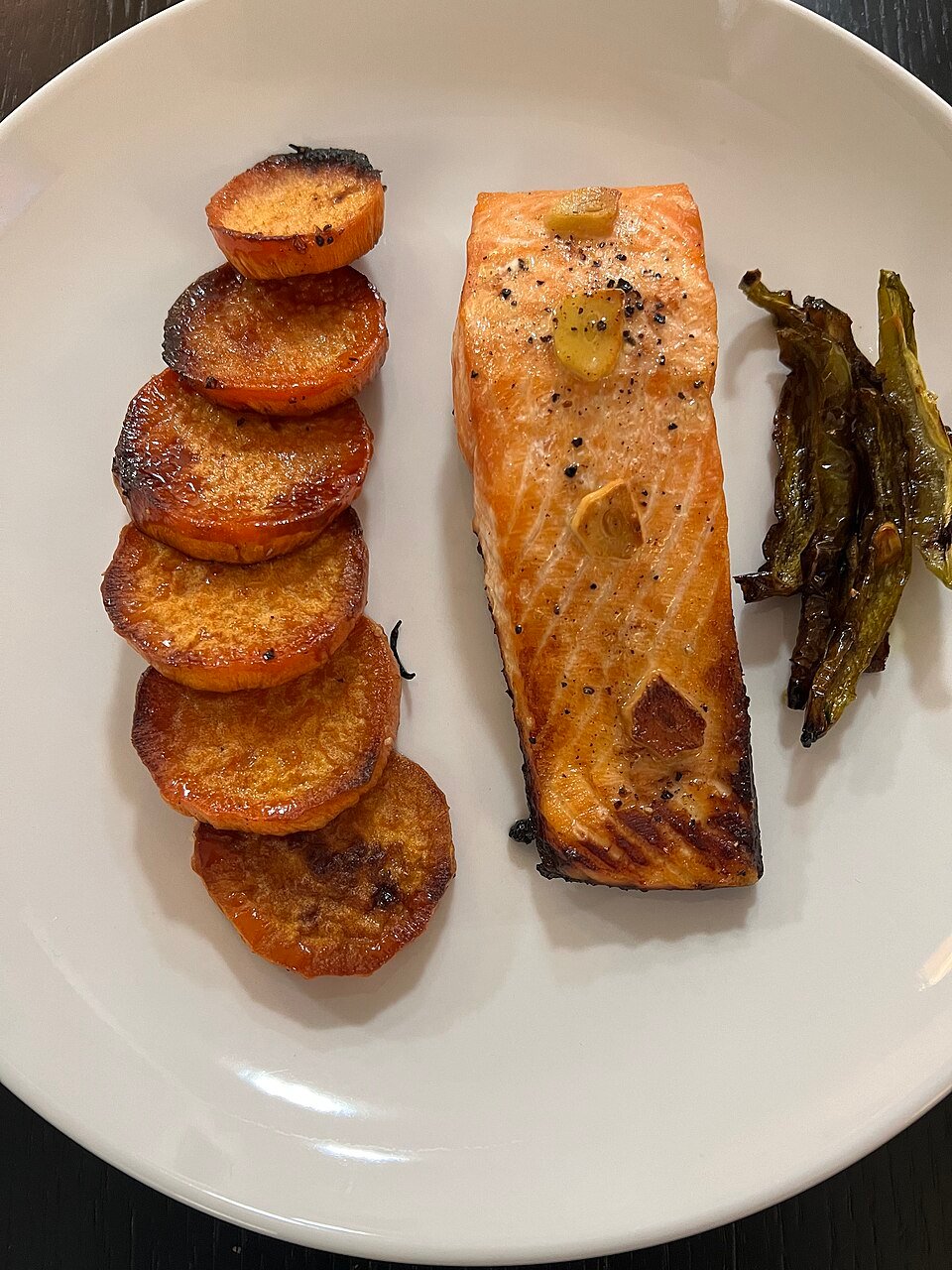
Serve fresh food at the temperature that suits it. Use clean utensils and cover what you save. According to the USDA Food Safety and Inspection Service, most cooked leftovers can stay refrigerated for three to four days when handled properly. Refrigerate perishable foods promptly, and reheat leftovers to 165°F (74°C). These general rules do not replace specific guidance for an ingredient or package.
For lunches, pack sauces or wet toppings separately where this keeps the texture better. Label containers with a date, and freeze extra portions before they sit too long in the fridge.
Check doneness, not only the clock
The USDA food safety temperature guide lists 145°F (63°C) for fish. Check the thickest part with a food thermometer. Oven times are estimates because thickness and pan load vary.
Frequently asked questions
Can I use chicken instead?
Yes, but cook it to 165°F and adjust timing to the cut. Line the tray, cut sweet potatoes into even pieces and keep raw salmon separate from prepared vegetables.
What if the salmon is thick?
Check its center and give it extra time if needed. Roast the dense sweet potato first and add delicate salmon later. Staggered cooking is the key to a tender fish dinner.
Can leftovers be reheated?
Reheat promptly and gently; store refrigerated leftovers within three to four days. A good tray dinner starts with understanding which ingredients take longest to cook. Start with the potatoes and finish with the fish.
How to plan one tray so nothing overcooks
Sweet potatoes take time to soften. Cut them into even pieces, about three quarters of an inch across, and start them before adding the fish. A small cube cooks faster than a thick wedge. Dry broccoli after washing so its tips roast rather than steam. If the pan feels crowded, split the food between two trays. Space helps hot air reach the sides of each piece.
For an easy dinner schedule, turn on the oven before you start chopping. Prepare the potatoes, put them in first, then rinse and cut broccoli while they cook. Season salmon last. This keeps the raw fish out of the way while you handle vegetables. Use a separate clean board and utensils for cooked food. Wash hands after touching raw seafood.
To check the meal, pierce a sweet potato cube with a fork and test the salmon in its thickest part. The USDA lists 145°F as the safe minimum internal temperature for fish. A thermometer makes this more reliable than counting minutes. When the fish is done before the vegetables, lift it onto a clean plate and let the vegetables finish. A squeeze of fresh lemon at the end brightens the dish without needing a heavy sauce.
A practical cleanup and serving routine
Before adding fish, line the pan and leave space near one edge for turning vegetables. You can scrub the cutting board and knife while the sweet potatoes roast. Keep the plate used for raw salmon away from the cooked food. Once the fish is ready, transfer it with a clean spatula. A drizzle of lemon juice and some chopped herbs go on last, so their flavor stays bright.
If cooking for a smaller household, roast the same amount of sweet potato and broccoli but use only the fish you plan to eat. Extra roasted vegetables make an easy side for eggs or a grain bowl the next day. For a larger group, use two trays rather than crowding all the food onto one. Rotate pans if your oven browns unevenly, but check each tray separately before serving.
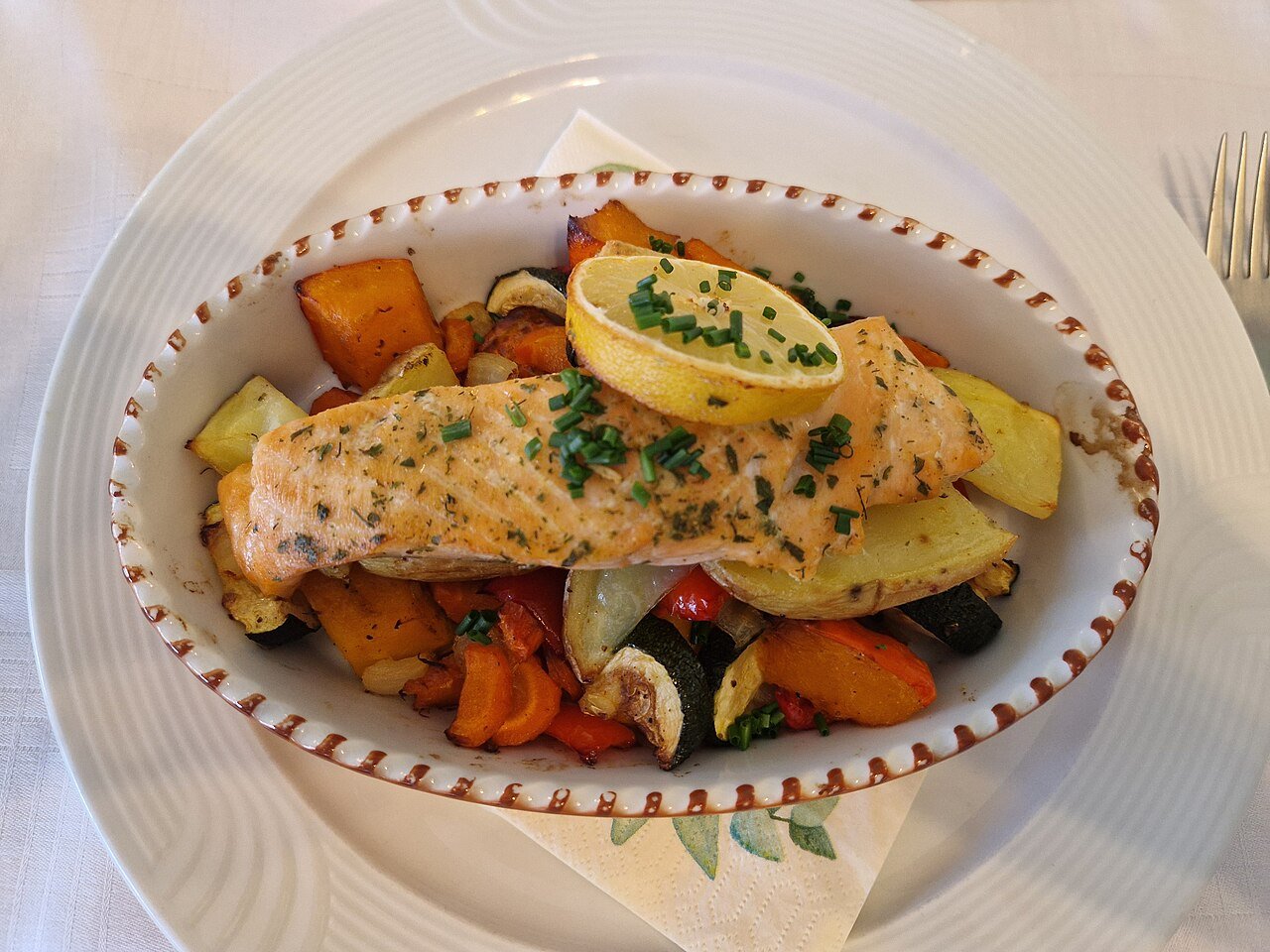
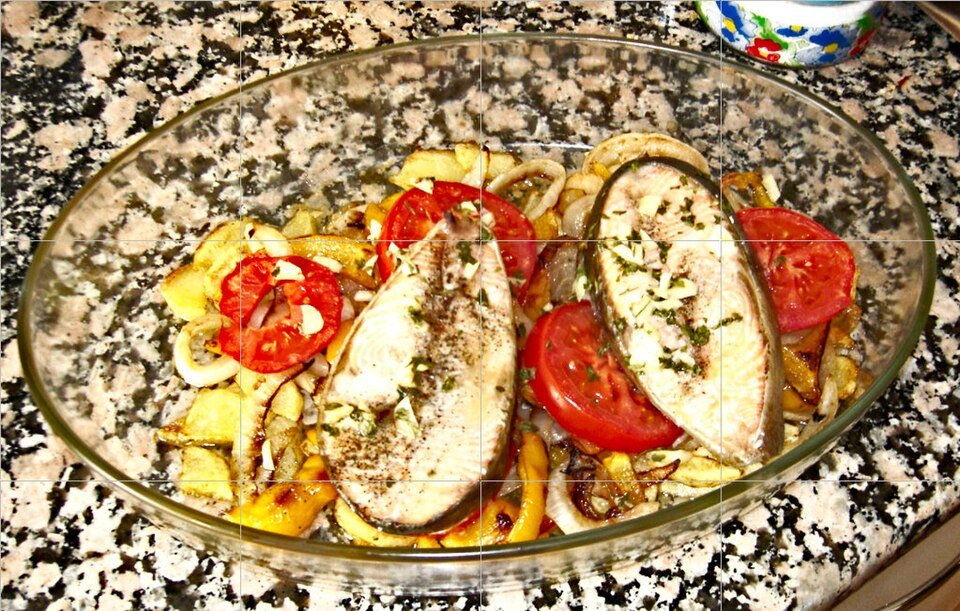
Image credit: Salmon on baked vegetables photograph, Wikimedia Commons (CC0). Reference image. For photo licensing, consult the original Wikimedia Commons file page. This image is illustrative and does not claim to document testing of the stated recipe.
Final kitchen notes
The most useful recipe or guide is one you can repeat. Keep what worked, adjust what did not and use your own taste as a guide when food safety is not at stake. Roast the dense sweet potato first and add delicate salmon later. Staggered cooking is the key to a tender fish dinner. If you share the result with someone, note any ingredient swaps so they can make the same version.