


Mediterranean Chickpea Quinoa Bowls with Lemon Dressing
Make fresh Mediterranean chickpea quinoa bowls with crisp vegetables, a lemon dressing, meal-prep tips and easy swaps. This guide is written for a home kitchen, where time, cost and cleanup all matter. Rinse quinoa before cooking and give the grains time to fluff. This creates a bowl with separate grains rather than a wet, sticky base.
What you need to know before starting
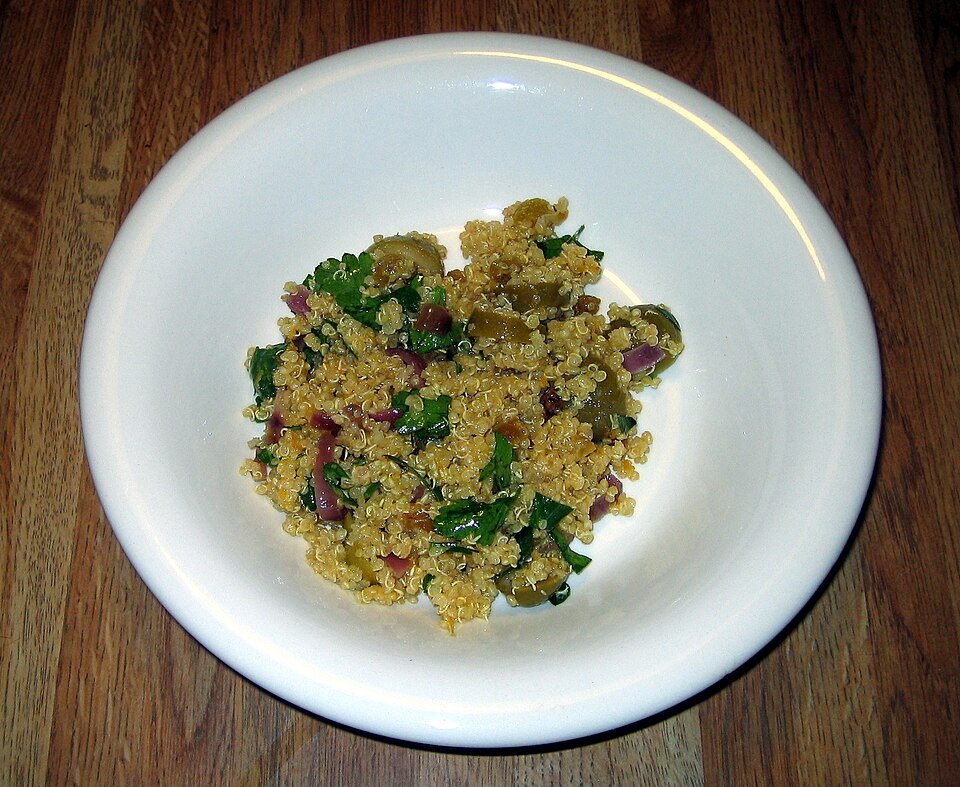
Build the salad from cooked quinoa and chickpeas, then add fresh vegetables only when you’re ready to eat. The amounts below give a clear starting point. Taste at the end, as ingredients vary from kitchen to kitchen.
Ingredients and portions
This ingredient list is designed to be easy to shop for. Check your pantry first and buy only the gaps. The stated amounts are a starting recipe, not a fixed rule for every household.
- 1 cup dry quinoa, rinsed
- 1 ½ cups water
- 1 can (15 oz) chickpeas, drained and rinsed
- 1 cucumber, diced
- 1 bell pepper, diced
- 1 cup cherry tomatoes, halved
- ¼ red onion, finely chopped
- ⅓ cup chopped parsley
- 3 tablespoons olive oil
- 2 tablespoons lemon juice
- 1 small garlic clove, grated
- ¼ teaspoon salt, plus more to taste
Step-by-step method
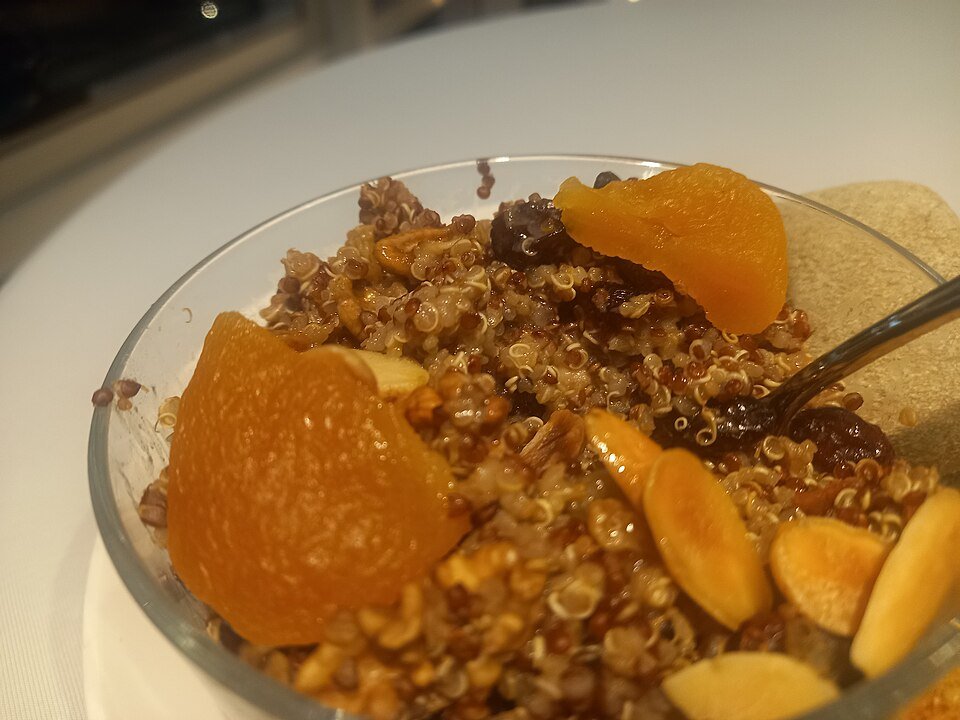
Follow the sequence rather than doing each job at random. It keeps hot pans and fresh ingredients in the right order.
Step 1: Get ready
Cook the rinsed quinoa in water with the lid on until the grains are tender and the water has absorbed, about 15 minutes. Let it rest, then fluff with a fork. Quinoa is ready when its water is absorbed and the small grains are tender. Fluff it before adding the vegetables.
Step 2: Build the base
Rinse and dry chickpeas. Chop the cucumber, pepper, tomatoes, onion, and parsley into small pieces. Choose fresh ingredients when they matter for taste, but use pantry staples where they do the job. Swaps are useful when they keep the core balance of the recipe.
Step 3: Use the right heat
Whisk olive oil, lemon juice, garlic and salt in a small bowl. Taste and adjust lemon or salt. Rinse the grains and chickpeas, dice the vegetables and whisk the lemon dressing in a separate bowl.
Step 4: Check the texture
Divide quinoa among four bowls, top with chickpeas and vegetables, then spoon dressing on just before serving. Rinse quinoa before cooking and give the grains time to fluff. This creates a bowl with separate grains rather than a wet, sticky base.
Small details that change the result
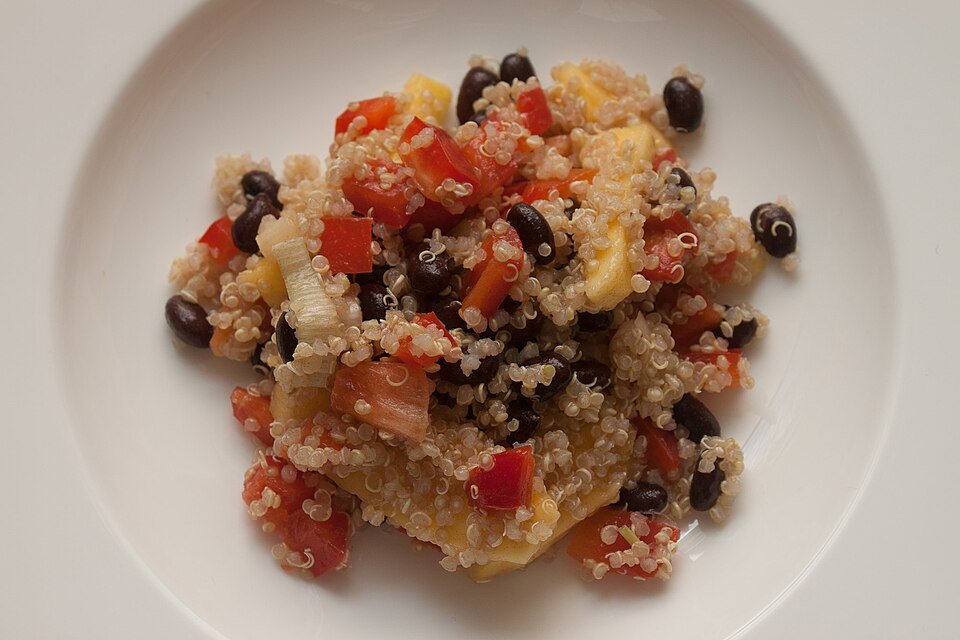
It is often one small detail that makes the difference between an okay result and something you want to cook again. Here are the points worth watching in this particular method.
Texture and timing
Dry the chickpeas well so dressing clings instead of pooling underneath. Rinse quinoa before cooking and give the grains time to fluff. This creates a bowl with separate grains rather than a wet, sticky base.
How to work ahead
Keep the cucumber and dressing in separate boxes for meals made ahead. Build the salad from cooked quinoa and chickpeas, then add fresh vegetables only when you’re ready to eat.
A useful alternative
For a softer meal, roast the peppers and warm the chickpeas before serving. Quinoa is ready when its water is absorbed and the small grains are tender. Fluff it before adding the vegetables.
How to fit this into a real week
Think about when you will cook and when you will eat. If you have only a short break, measure what you can in advance and leave fresh items until just before serving. If you have more time on a weekend, prep the parts that hold well and keep them in clean covered containers. This approach keeps the actual cooking session short without giving up control of the final texture.
When you shop, check what is already at home. Buying one ingredient for one recipe may cause waste. Look for sensible ways to use it in another meal, such as a grain bowl the next day, vegetables in a soup, or a small baked snack for breakfast. Use the ingredient while it is still fresh, and follow food storage guidance rather than judging safety only by smell.
Common problems and how to fix them
If a dish seems flat, check salt, acidity and heat before adding a lot of extra ingredients. If the texture seems wrong, think about moisture and crowding. Wet ingredients steam; dry surfaces brown. If baked food turns out dry, review flour measurement and bake time. Do not assume that a longer cook time always improves food.
On a second attempt, change one thing at a time. Note the pan size, portion size and timing. A short kitchen note can be more useful than a complex chart because it tells you exactly what worked with your equipment.
Serving, storage and leftovers
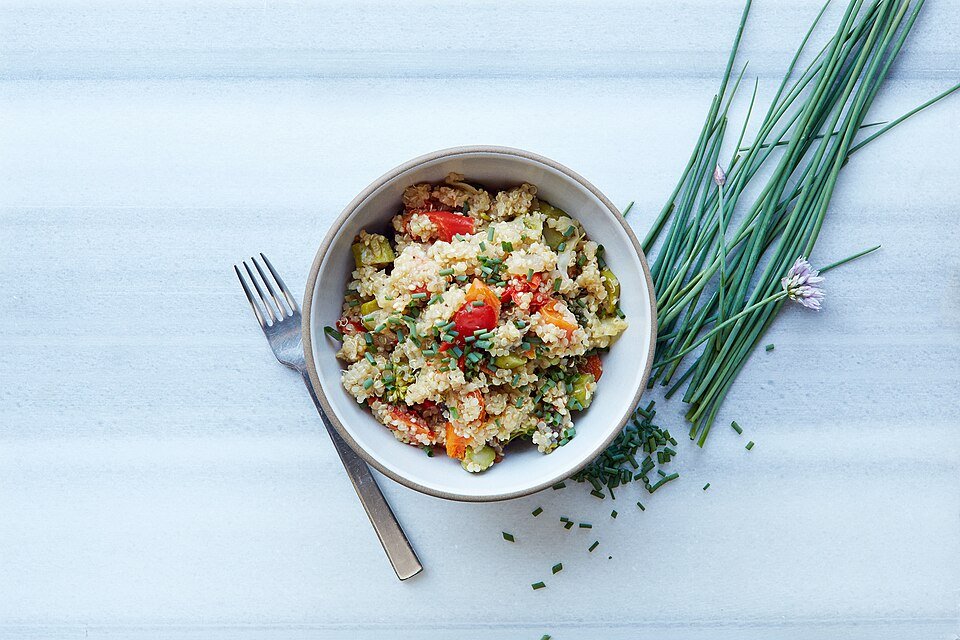
Serve fresh food at the temperature that suits it. Use clean utensils and cover what you save. According to the USDA Food Safety and Inspection Service, most cooked leftovers can stay refrigerated for three to four days when handled properly. Refrigerate perishable foods promptly, and reheat leftovers to 165°F (74°C). These general rules do not replace specific guidance for an ingredient or package.
For lunches, pack sauces or wet toppings separately where this keeps the texture better. Label containers with a date, and freeze extra portions before they sit too long in the fridge.
Frequently asked questions
Can I use brown rice instead of quinoa?
Yes; cook rice by its package instructions and cool it before building the bowl. Choose fresh ingredients when they matter for taste, but use pantry staples where they do the job. Swaps are useful when they keep the core balance of the recipe.
Can I make it vegan?
The base recipe uses only plant foods. Check any optional toppings. Rinse the grains and chickpeas, dice the vegetables and whisk the lemon dressing in a separate bowl.
How long will it keep?
Refrigerate promptly in sealed containers and aim to eat within three to four days. Rinse quinoa before cooking and give the grains time to fluff. This creates a bowl with separate grains rather than a wet, sticky base.
How to pack quinoa bowls without soggy vegetables
A bowl packed for lunch can taste different from the one served at home. The problem is often moisture. Slice cucumber just before packing if you can. If you need to prep it the night before, blot the cut pieces with a clean towel. Keep the lemon dressing in a tight jar. Add it at the table, not early in the morning. This keeps the grain loose and the herbs bright. For a picnic, use a chilled bag and return leftovers to cold storage as soon as the meal ends.
You can build a warm version on a cold day. Heat the cooked quinoa and chickpeas on their own. Add crisp vegetables after the warm part is in the bowl, then spoon dressing on top. That contrast makes the meal feel fresh. Toasted seeds add crunch, while feta gives a salty note if you eat dairy. Taste before adding extra salt because canned chickpeas and toppings vary.
The lemon dressing should taste lively, not harsh. If it is too sharp, whisk in another spoon of olive oil rather than hiding the lemon with sugar. If it tastes flat, add a small pinch of salt or more zest. A splash of water can help spread a thick dressing. Remember that fresh garlic grows stronger as the mix stands. Start with a small clove and taste again before serving.
A simple shopping and portion plan
For four bowls, buy vegetables that can also serve another meal. Half a cucumber can go into a sandwich, and spare tomatoes can become a quick salad. If you have dry chickpeas rather than canned, cook them fully ahead of time; the recipe assumes they are already cooked. The bowl also works with leftover plain quinoa, as long as it was cooled and stored safely. Do not mix a warm grain into a sealed lunch container and leave it on the counter.
Before serving guests, offer lemon wedges and the dressing on the side. Some will prefer a stronger lemon taste, while others may want only a little. This lets people adjust the dish without changing the base recipe. If an ingredient is missing, replace it with another food that has a similar role: a crisp vegetable for crunch, a cooked grain for body, and beans for substance. That simple pattern is easier to remember than a strict list.
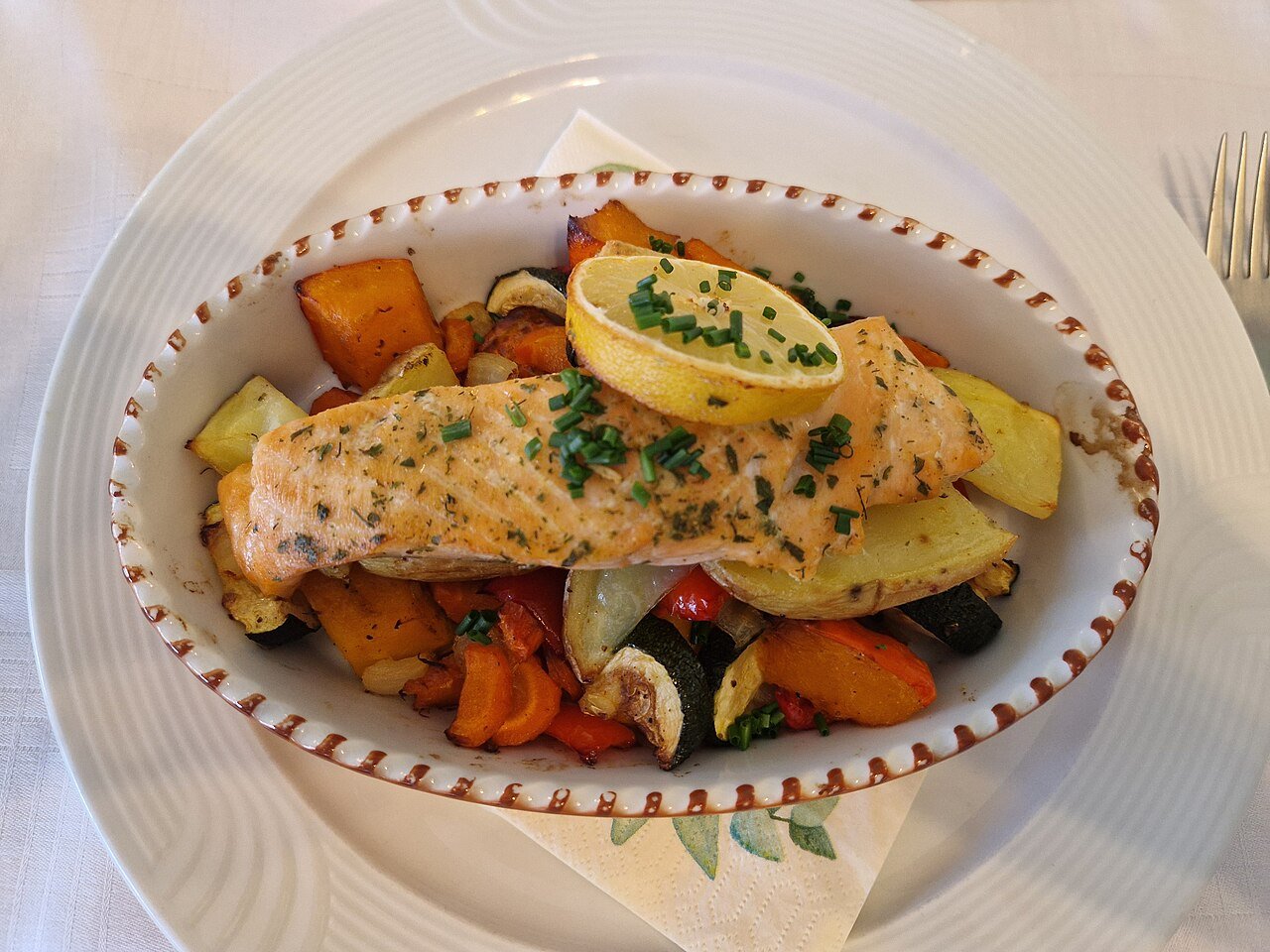
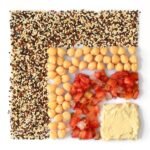
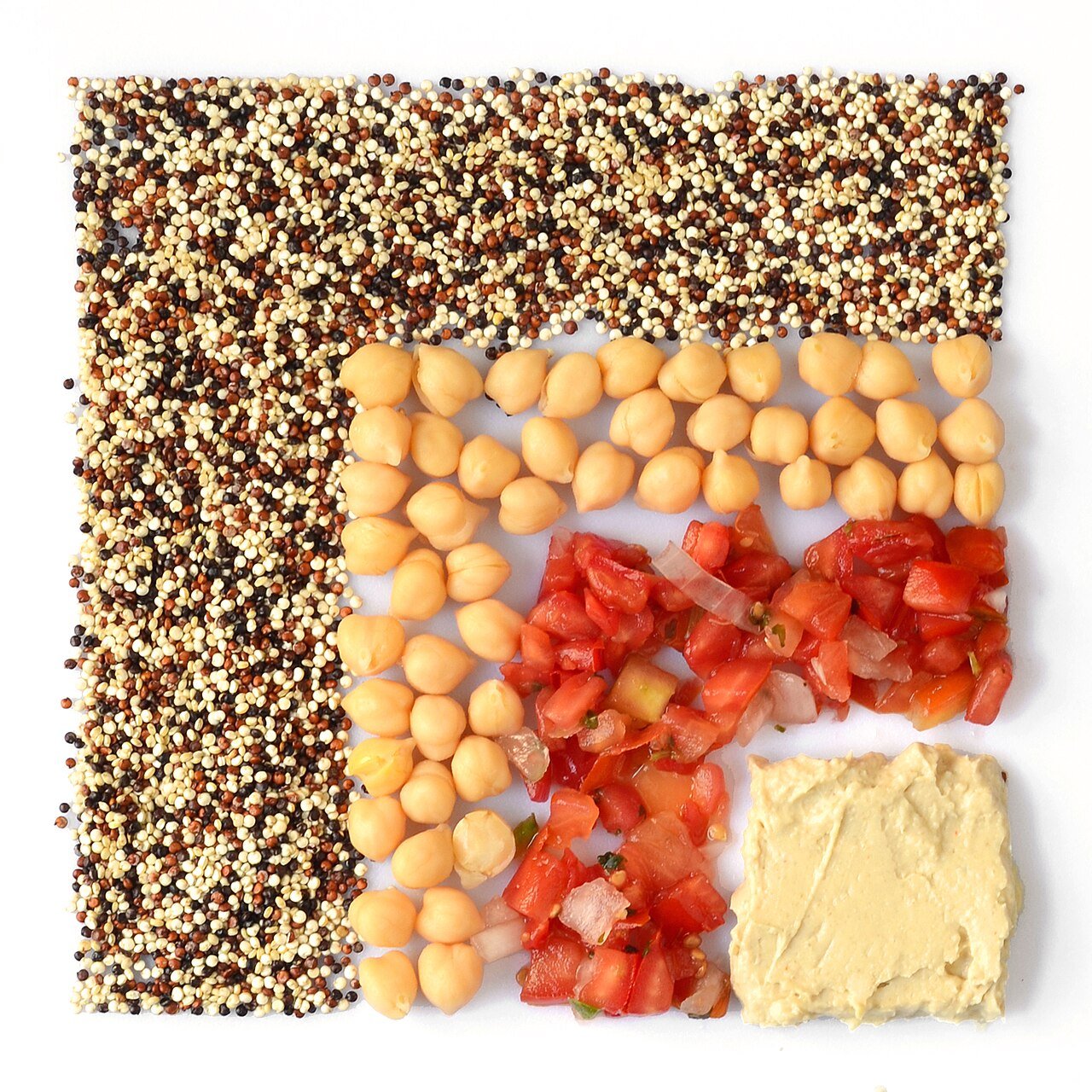
Image credit: Quinoa salad ingredient photograph, via Wikimedia Commons. Reference image; not an exact photograph of this recipe. For photo licensing, consult the original Wikimedia Commons file page. This image is illustrative and does not claim to document testing of the stated recipe.
Final kitchen notes
The most useful recipe or guide is one you can repeat. Keep what worked, adjust what did not and use your own taste as a guide when food safety is not at stake. Rinse the grains and chickpeas, dice the vegetables and whisk the lemon dressing in a separate bowl. If you share the result with someone, note any ingredient swaps so they can make the same version.