Prep: 20 min Cook: 15 min Serves: 4 Level: Moderate
Bulgogi (Marinated BBQ Beef)
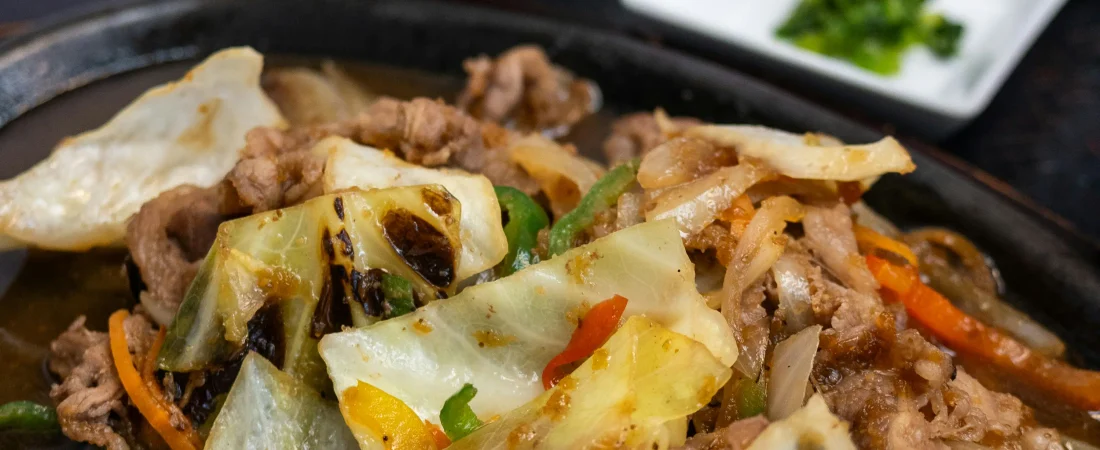
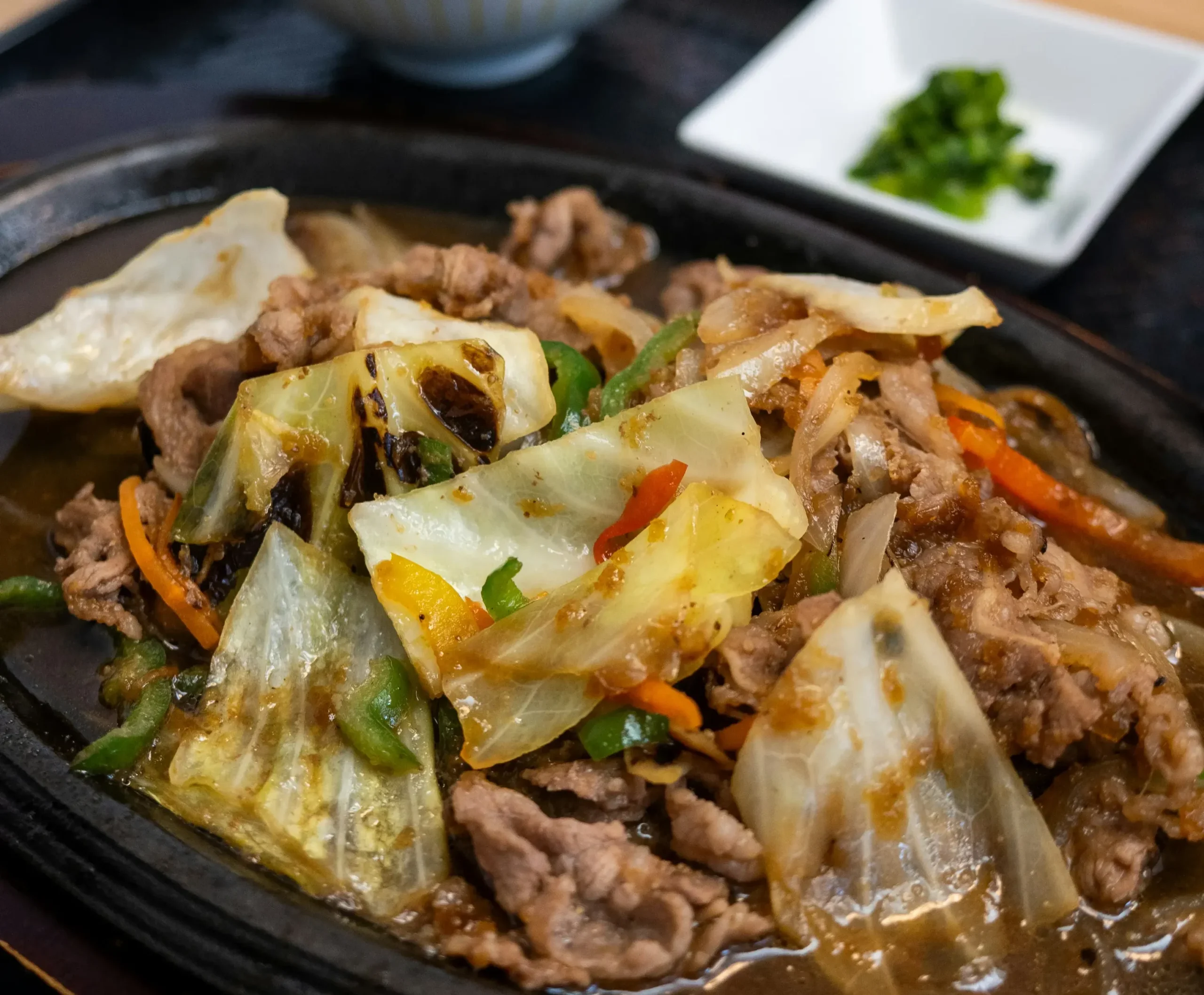
Bulgogi is one of Korea’s most beloved dishes, made with thinly sliced beef marinated in a savory-sweet mixture of soy sauce, sesame oil, garlic, sugar, and fruit before being quickly cooked over high heat. The marinade gives the beef a deeply flavorful combination of salty, sweet, nutty, and slightly fruity notes, while high-heat cooking creates beautifully browned edges and a tender texture.
What I especially love about Bulgogi is how versatile it is. It can be served with steamed rice and simple Korean side dishes for a comforting everyday meal, wrapped in lettuce with rice and ssamjang, or enjoyed straight from the pan. It is also one of those Korean dishes that feels special enough for a gathering while still being easy enough to make at home.
Ingredients:
- 600 g beef ribeye or sirloin, very thinly sliced
- ½ small Asian pear, finely grated
- ½ small onion, finely grated
- 4 cloves garlic, finely minced
- 1 tablespoon fresh ginger, finely grated
- ⅓ cup soy sauce
- 2 tablespoons brown sugar
- 1 tablespoon honey
- 1 tablespoon toasted sesame oil
- 1 tablespoon rice wine or mirin
- ½ teaspoon freshly ground black pepper
- 2 green onions, thinly sliced
- 1 tablespoon toasted sesame seeds
- 1 tablespoon neutral cooking oil
- 100 g mushrooms, thinly sliced, optional
- ½ small carrot, thinly sliced, optional
What to Look For
The most important ingredient in Bulgogi is the beef. Ribeye is an excellent choice because its marbling keeps the meat tender and juicy during high-heat cooking, while sirloin provides a slightly leaner option. The beef should be sliced very thinly so it absorbs the marinade and cooks quickly.
An Asian pear is traditionally used in many Bulgogi marinades because its natural sweetness helps balance the soy sauce while its enzymes can help tenderize the beef. If possible, choose a ripe but firm pear with plenty of juice. Fresh garlic, good-quality soy sauce, and toasted sesame oil also make a noticeable difference in the final flavor.
Substitutions
If Asian pear is unavailable, use ½ grated apple or a small amount of pear juice instead. You can replace brown sugar with white sugar, maple syrup, or additional honey, although the flavor will vary slightly.
For a gluten-free Bulgogi, use gluten-free tamari instead of regular soy sauce. For a vegetarian version, replace the beef with thickly sliced mushrooms, tofu, or a combination of both and reduce the marinating time. For a vegan version, use maple syrup instead of honey.
Cooking Instructions
Step 1: Prepare the Beef
If the 600 g beef is not already thinly sliced, place it in the freezer for about 20–30 minutes to firm it slightly, then slice it as thinly as possible against the grain. Very thin slices are important because they allow the beef to absorb the marinade quickly and cook without becoming tough. Pat the sliced beef lightly with paper towels if it contains excess moisture.
Step 2: Make the Marinade
In a large mixing bowl, combine the ⅓ cup soy sauce, 2 tablespoons brown sugar, 1 tablespoon honey, 1 tablespoon toasted sesame oil, and 1 tablespoon rice wine or mirin. Add the ½ grated Asian pear, ½ grated onion, 4 minced garlic cloves, 1 tablespoon grated ginger, and ½ teaspoon black pepper. Stir thoroughly until the sugar is mostly dissolved and the marinade is evenly combined.
Step 3: Marinate the Beef
Add the thinly sliced 600 g beef to the marinade and gently mix with your hands or tongs until every piece is well coated. Add the sliced 100 g mushrooms and ½ carrot, if using. Cover the bowl and refrigerate for at least 30 minutes, although 1–2 hours will give the beef a deeper flavor. Avoid marinating it for excessively long periods because the fruit enzymes can eventually affect the texture of the meat.
Step 4: Heat the Pan
Place a large skillet, cast-iron pan, or Korean-style grill pan over high heat. Add 1 tablespoon neutral cooking oil and allow the pan to become very hot. Bulgogi is best cooked in small batches rather than overcrowding the pan, because too much meat at once will release liquid and cause the beef to steam instead of developing browned, caramelized edges.
Step 5: Cook the Bulgogi
Remove the beef from the marinade, allowing excess marinade to drip back into the bowl. Add a single layer of the marinated beef to the hot pan. Cook for about 2–3 minutes per side, tossing occasionally, until the beef is cooked through and the edges become browned and slightly caramelized. If using mushrooms and carrots, add some of them with each batch. Repeat with the remaining beef, adding a little more oil only if the pan becomes dry.
Step 6: Reduce the Marinade
Once all the beef has been cooked, pour the remaining marinade into the pan if desired and bring it to a full boil. Allow it to boil for several minutes until it has reduced slightly and is visibly bubbling. This step is important if you want to use leftover marinade as a sauce because it must be thoroughly cooked after contacting raw beef. Return the cooked Bulgogi to the pan and toss briefly to coat.
Step 7: Add the Green Onions
Add the sliced 2 green onions to the cooked Bulgogi and toss everything together for about 30–60 seconds. The green onions should soften slightly while retaining some freshness. Taste the beef and adjust the seasoning if necessary. If the flavor is too salty, a small splash of water can help balance the sauce.
Step 8: Finish and Serve
Transfer the Bulgogi to a serving plate and sprinkle with the 1 tablespoon toasted sesame seeds. Serve immediately while the beef is hot and juicy, ideally alongside freshly steamed short-grain rice, lettuce leaves, and Korean side dishes. For a traditional Korean-style meal, you can also serve the Bulgogi with ssamjang and use the lettuce to make individual wraps.
Nutritional Information Per Serving
Approximate values will vary depending on the cut of beef, marinade, vegetables, and brands used.
- Calories: 430–480 kcal
- Protein: 35–40 g
- Carbohydrates: 20–25 g
- Fat: 24–28 g
- Fiber: 2–3 g
Equipment & Tools
- Large skillet, cast-iron pan, or grill pan
- Large mixing bowl
- Sharp chef’s knife
- Cutting board
- Fine grater
- Tongs
- Measuring spoons and cups
For a more traditional Korean-style experience, Bulgogi can be cooked on a Korean tabletop grill or domed Bulgogi grill, allowing diners to cook the meat while enjoying it fresh at the table.
Cooking Tips & Notes
Slice the Beef Very Thinly
Thinly sliced beef is one of the keys to good Bulgogi. Slicing the beef partially frozen makes it much easier to achieve thin, even pieces. Always slice against the grain when possible for a more tender bite.
Don’t Overcrowd the Pan
Cooking too much beef at once causes the temperature of the pan to drop and creates excess liquid. Instead, cook the Bulgogi in batches so the meat has direct contact with the hot surface. This creates the browned edges and light caramelization that make Bulgogi especially flavorful.
Give the Marinade Time to Work
Even 30 minutes of marinating will give the beef good flavor, but allowing it to marinate for around 1–2 hours creates a deeper and more balanced taste. The grated pear and onion also help tenderize the meat while adding natural sweetness.
Serving Suggestions & Pairing Guides
Bulgogi is traditionally enjoyed as part of a Korean meal, most commonly with steamed rice and various banchan. For a classic experience, place the Bulgogi in the center of the table with lettuce leaves, ssamjang, rice, and small side dishes so everyone can make their own wraps.
Side Dishes
For a traditional Korean-style meal, serve it with:
- Steamed short-grain white rice
- Korean seasoned spinach (Sigeumchi Namul)
- Seasoned bean sprouts (Sukju Namul)
- Korean cucumber salad (Oi Muchim)
- Korean radish or napa cabbage kimchi
Garnishes
Finish the Bulgogi with:
- Toasted sesame seeds
- Thinly sliced green onions
- Thinly sliced fresh chili, optional
- A small drizzle of toasted sesame oil
Beverages
A cold Korean lager pairs naturally with the savory and slightly sweet flavors of Bulgogi. For a non-alcoholic option, unsweetened barley tea is an excellent choice because its mild roasted flavor refreshes the palate without competing with the dish.
FAQ
What cut of beef is best for Bulgogi?
Ribeye is one of the best choices because its marbling keeps the thin slices tender and juicy. Sirloin, tenderloin, or other tender cuts can also work well as long as they are sliced very thinly against the grain.
How long should I marinate Bulgogi?
Marinate the beef for at least 30 minutes for good flavor, or around 1–2 hours for a deeper marinade. Because the marinade contains grated pear, excessively long marinating can make the beef’s texture softer than desired.
Why is my Bulgogi watery instead of caramelized?
The most common reason is overcrowding the pan. Too much beef releases liquid and lowers the cooking temperature, causing the meat to steam. Cook the beef in small batches over high heat for better browning.